Cleaning, fixing and learning how to love stuff that's been loved before

There’s a specific moment that happens after bringing a secondhand find home, usually right after the rush wears off. In the shop, it looked charming: distinctive, full of character. You even felt a small surge of triumph as you carried it to the counter. But at home – under your lighting, next to your own things – it suddenly looks… used.

This is the part no one talks about: buying secondhand is easy. Loving it takes a little work. And that work is usually about attention.

Start with a proper reset

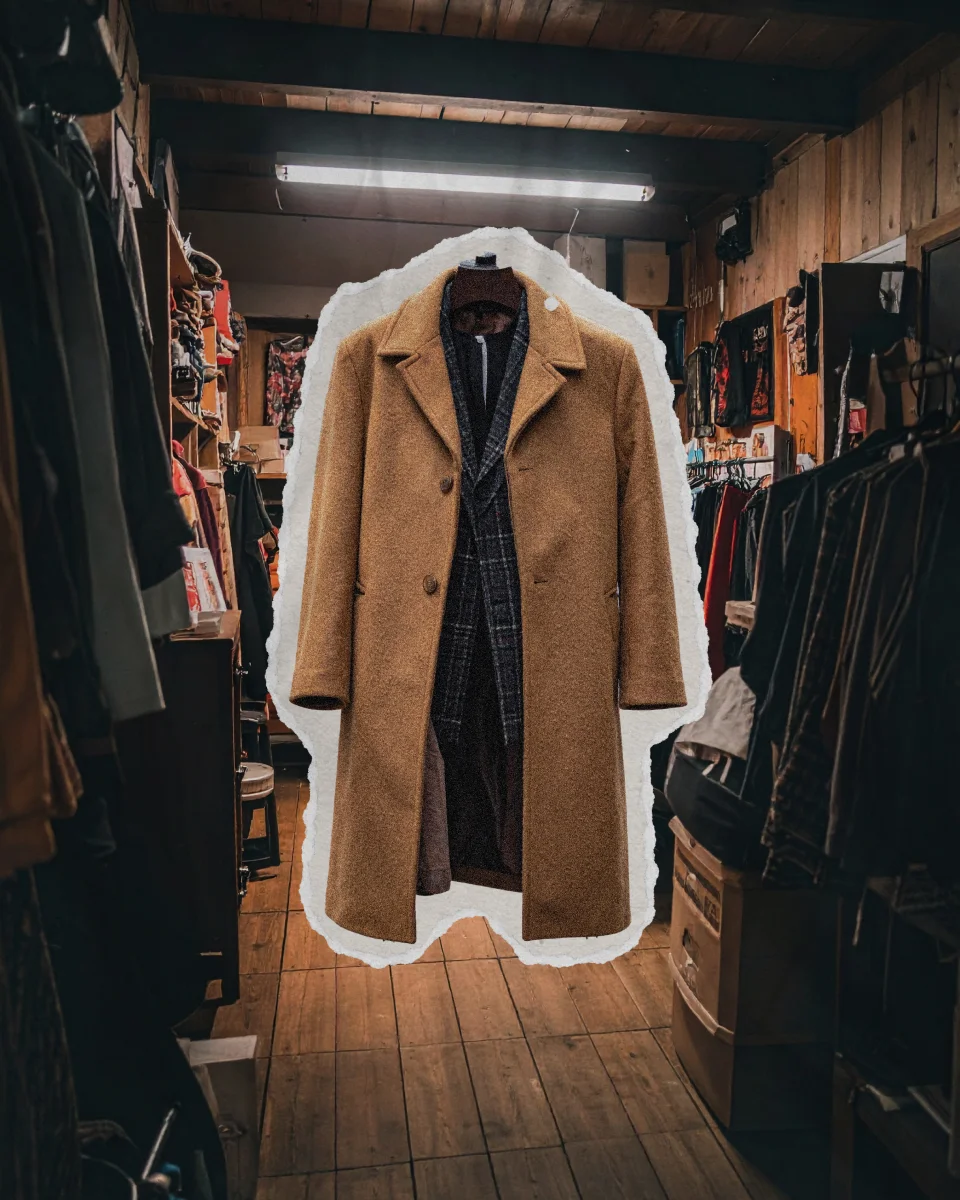
Before you decide whether you love something, clean it like you mean it! Clothes should almost always be washed, even if they look clean. Add a cup of white vinegar to the rinse cycle to neutralize lingering smells, and let them air outside if possible.

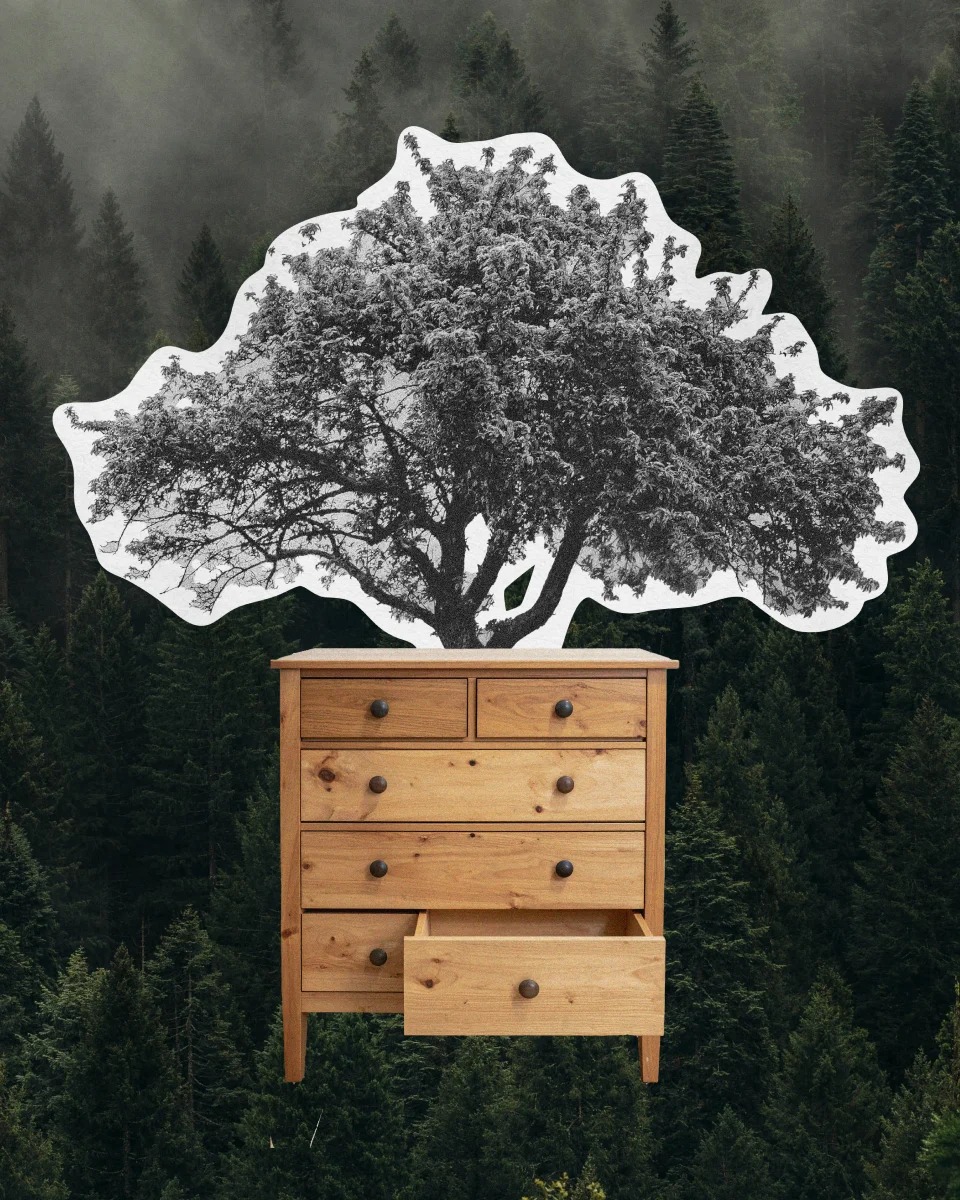
Wooden furniture benefits from a deep wipe-down with warm water and mild soap to remove built-up grime. Dry it immediately, then apply a thin layer of oil or wax. What looks dull is often just dehydrated.

Learn to separate dirt from story

Secondhand objects come with traces of previous lives. Some of those traces need to go; others are exactly what make the piece worth keeping.

Musty smells, sticky surfaces and suspicious stains are easy decisions: clean them. But a few scratches on a wooden table, slightly faded denim or a softened leather edge tell a story.

Next up: fix the thing that’s bothering you

Most secondhand discomfort can be traced back to one small, visible flaw. A handle that feels loose, a missing button, or a hinge that squeaks every time you open the cabinet.

You rarely need a full transformation to fix that feeling. Usually, one deliberate adjustment is enough.

Integrate it sooner rather than later

Secondhand pieces tend to lose their appeal when they linger in a corner until you figure them out. The longer they sit there, the more they start to feel like a mistake.

It helps to use them quickly. Wear the blazer within a few days. Actually put the plates on the table instead of stacking them in a cupboard.

Rethink what ‘perfect’ means

We’ve been conditioned to associate new with better: clean edges, unmarked surfaces, no visible history. That standard is hard to maintain, and harder to live with.

In reality, most new objects begin to age the moment they enter our homes. With secondhand pieces, that process has already happened.

Know when to let go

For all this talk of care and attention, not every secondhand piece is meant to stay. Sometimes you clean it properly, tighten the screws, adjust the fit, move it around the room… and something still feels off. That doesn’t mean you failed. It just means the match wasn’t right.

Know someone who deserves to be celebrated?

We're always looking for the next generation of pioneers. If you know someone doing extraordinary work — in food, fashion, design, or beyond — tell us about them.

Nominate a Pioneer
Stay in the loop

Join the revolution.

Our very best stories, insights and alternatives to overconsumption, every month in your mailbox. Subscribe now and join the reloved revolution!