
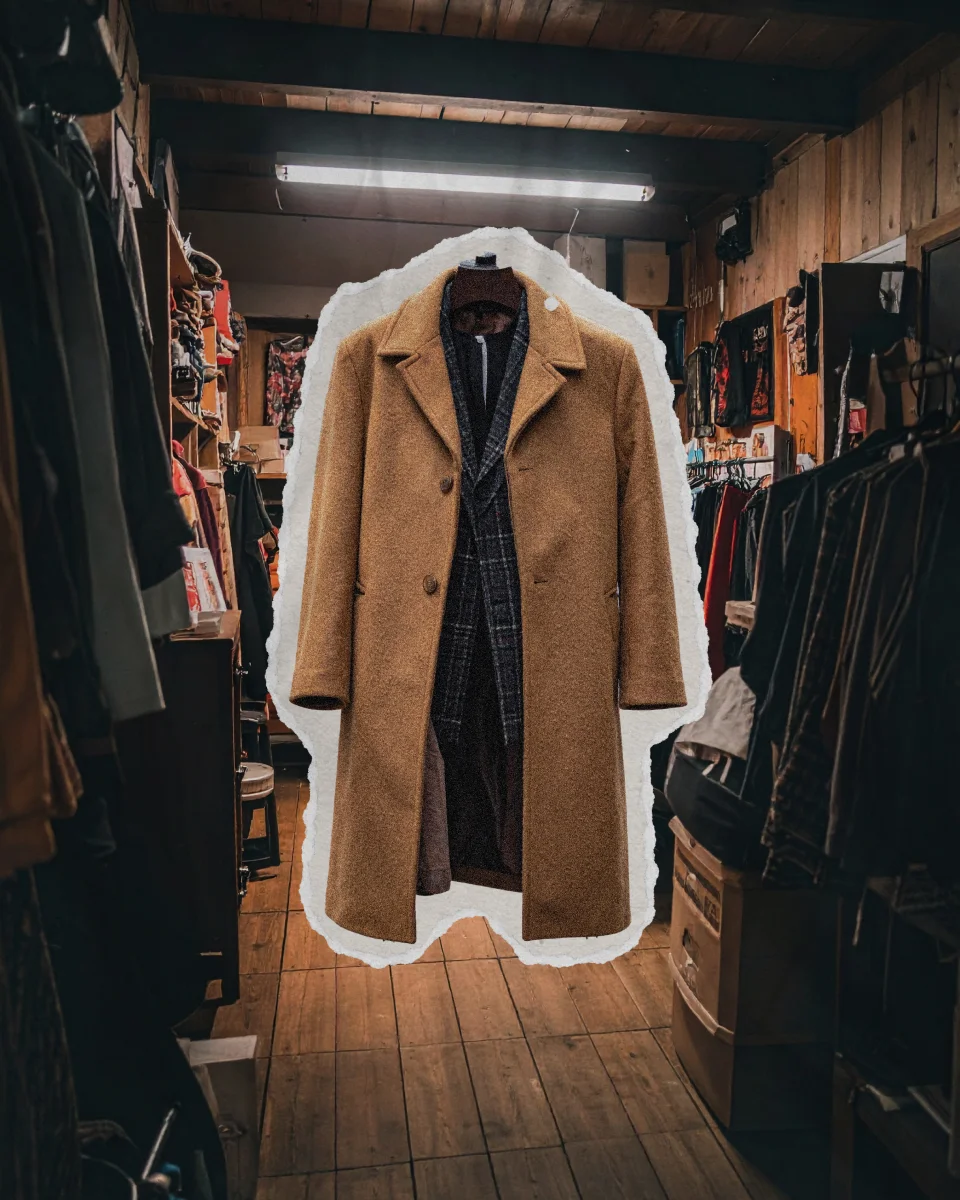
Why Gen Z buys second-hand: the data behind the resale generation

For decades, second-hand shopping was associated with thrift stores, flea markets and tight budgets. Today it has become something very different: a fast-growing global market driven largely by Gen Z.

From vintage clothing and refurbished electronics to second-hand furniture and collectibles, younger consumers are increasingly choosing pre-owned products over new ones. And according to recent market research, this shift is not just a niche trend, it’s reshaping how retail works.

Cottonbro Studio (Pexels)

A generation driving the resale boom

The global second-hand market has grown rapidly in recent years. Industry estimates suggest that the resale apparel market alone could reach around $367 billion by 2029, expanding far faster than traditional retail.

Much of that growth is driven by younger consumers. According to the ThredUp 2025 Resale Report, 68% of Gen Z and Millennial shoppers purchased second-hand items in 2024, a share that continues to grow each year.

Resale is becoming embedded in everyday consumption habits. In fact, the same research suggests second-hand items now make up a significant portion of Gen Z wardrobes, with some estimates putting the share as high as 32% of their closets. What’s striking is that second-hand is no longer seen as a compromise. For many young consumers, it’s simply another way of shopping.
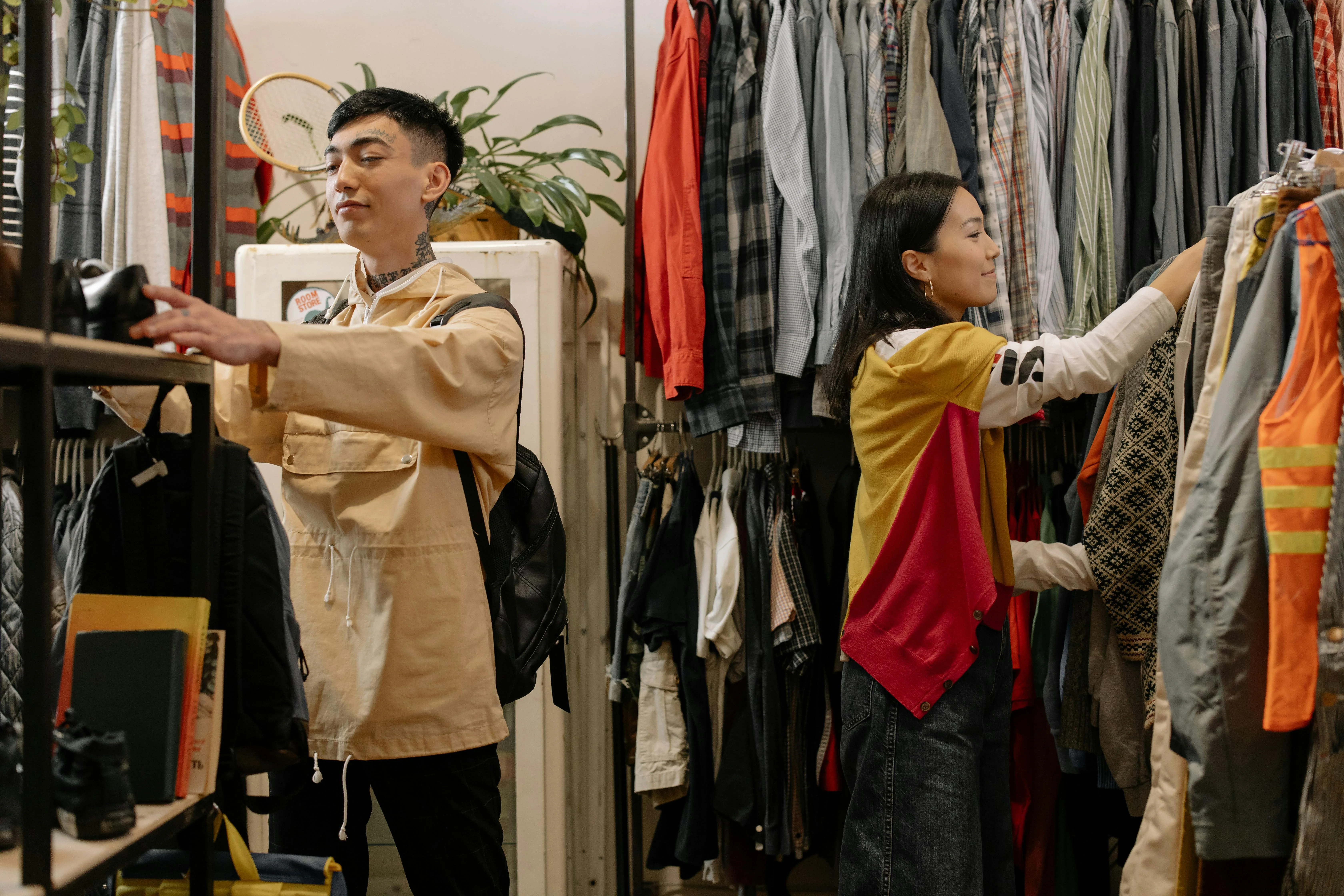
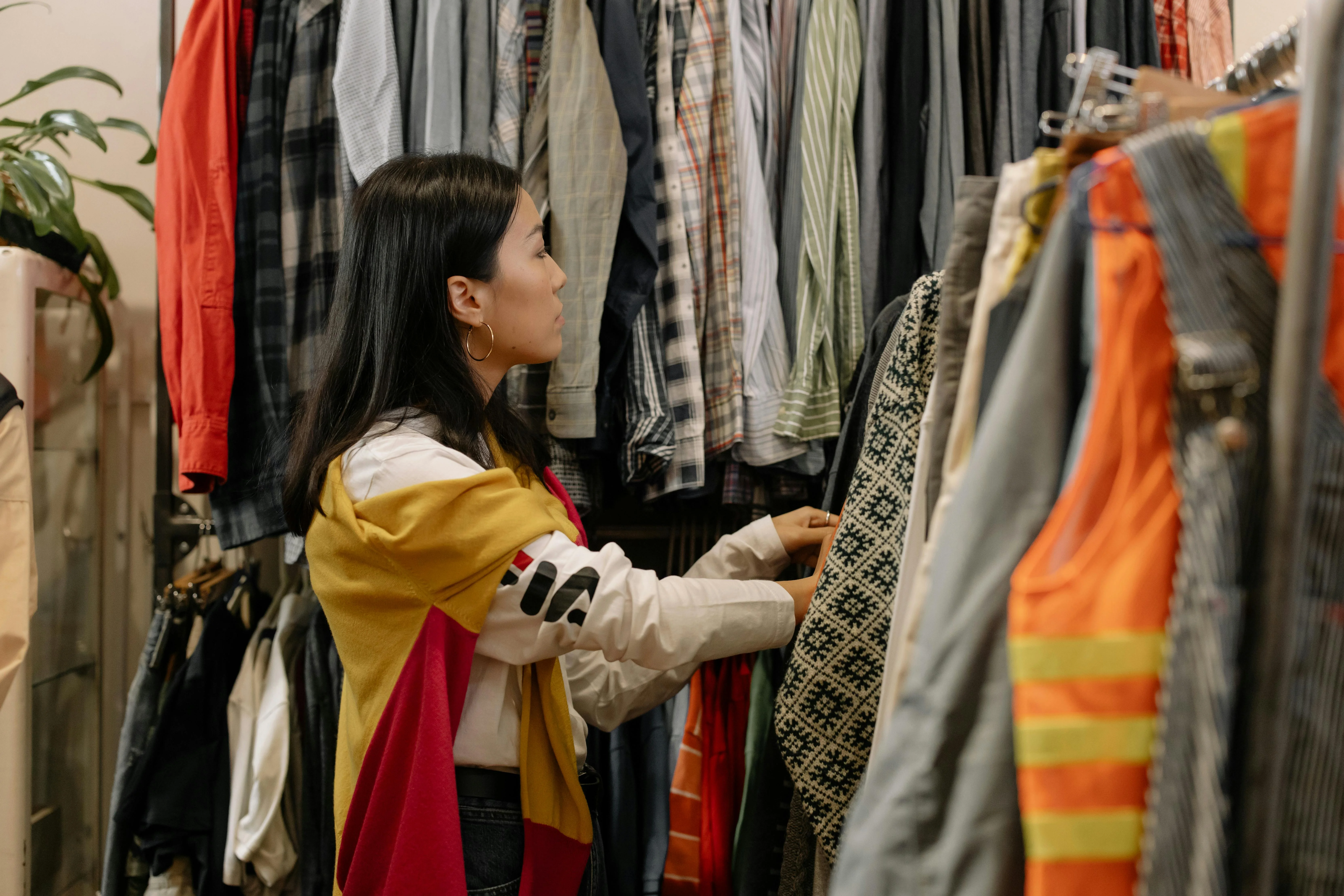
Younger shoppers are entering adulthood during a period of rising living costs, expensive housing markets and economic uncertainty.

Affordability > sustainability

Despite the sustainability narrative around resale, price remains the biggest driver. Research by the Boston Consulting Group shows that 74% of Gen Z consumers cite affordability as the primary reason for buying second-hand goods.

Younger shoppers are entering adulthood during a period of rising living costs, expensive housing markets and economic uncertainty. Buying pre-owned products allows them to access brands and items that might otherwise be out of reach.

Second-hand marketplaces also make it easier to buy higher-end products at lower prices: 38% of consumers turn to resale platforms - like OLX, Vinted and Vestiaire Collective - to afford premium brands they couldn’t buy new. For a generation used to comparing prices online, second-hand shopping often simply makes financial sense.

Cottonbro Studio (Pexels)

Cottonbro Studio (Pexels)

Sustainability matters

Environmental concerns also play a role. Many Gen Z consumers are more aware of the environmental impact of industries such as fashion, which has faced increasing scrutiny over waste, overproduction and resource use. Buying second-hand is a way to extend the life of existing products and reduce the need for new ones.

But sustainability is rarely the only reason behind the decision. In practice, Gen Z shoppers tend to balance environmental considerations with more practical factors such as the earlier mentioned price, convenience and style. Second-hand markets work best when they combine all three: they offer something more sustainable, but also more affordable and often more interesting than buying new.

The appeal of unique products

Price and sustainability may bring people to second-hand platforms, but uniqueness often keeps them there.

Unlike traditional retail, where thousands of identical products flood the market, second-hand marketplaces are full of one-offs. Vintage pieces, discontinued styles and unexpected finds give shoppers the chance to discover something that not everyone else is wearing or using. That sense of discovery is part of the appeal. Browsing second-hand can feel less like shopping and more like a treasure hunt.

Social media has only amplified that dynamic. Platforms like TikTok and Instagram are filled with thrift hauls, vintage finds and curated outfits built around second-hand pieces. The message is clear: buying used isn’t just practical, but also a way to stand out.

For many younger consumers, ownership is becoming more flexible.

A structural shift in retail

What once looked like a niche trend is now beginning to reshape retail itself. Second-hand marketplaces have grown rapidly, and traditional retailers are paying attention. Many brands are experimenting with resale platforms, refurbishment programmes and trade-in schemes that allow customers to return products they no longer use.

Part of the motivation for these brands is environmental, but there is also a clear economic logic. The resale market is growing faster than many traditional retail categories, and younger consumers are already comfortable moving between new and pre-owned products.

As a result, the line between ‘new’ and ‘second-hand’ shopping is becoming less rigid. A product might be sold new once, then resold, repaired or refurbished several times before it eventually reaches the end of its lifecycle. If that model continues to expand, resale may stop being seen as an alternative to retail and start looking more like an integral part of it.

Know someone who deserves to be celebrated?

We're always looking for the next generation of pioneers. If you know someone doing extraordinary work — in food, fashion, design, or beyond — tell us about them.

Nominate a Pioneer
Stay in the loop

Join the revolution.

Our very best stories, insights and alternatives to overconsumption, every month in your mailbox. Subscribe now and join the reloved revolution!