Read uplifting stories that help you reimagine how we live and consume, in ways that are better for the planet and our mental health. We make sustainable living personal, practical, and even fun
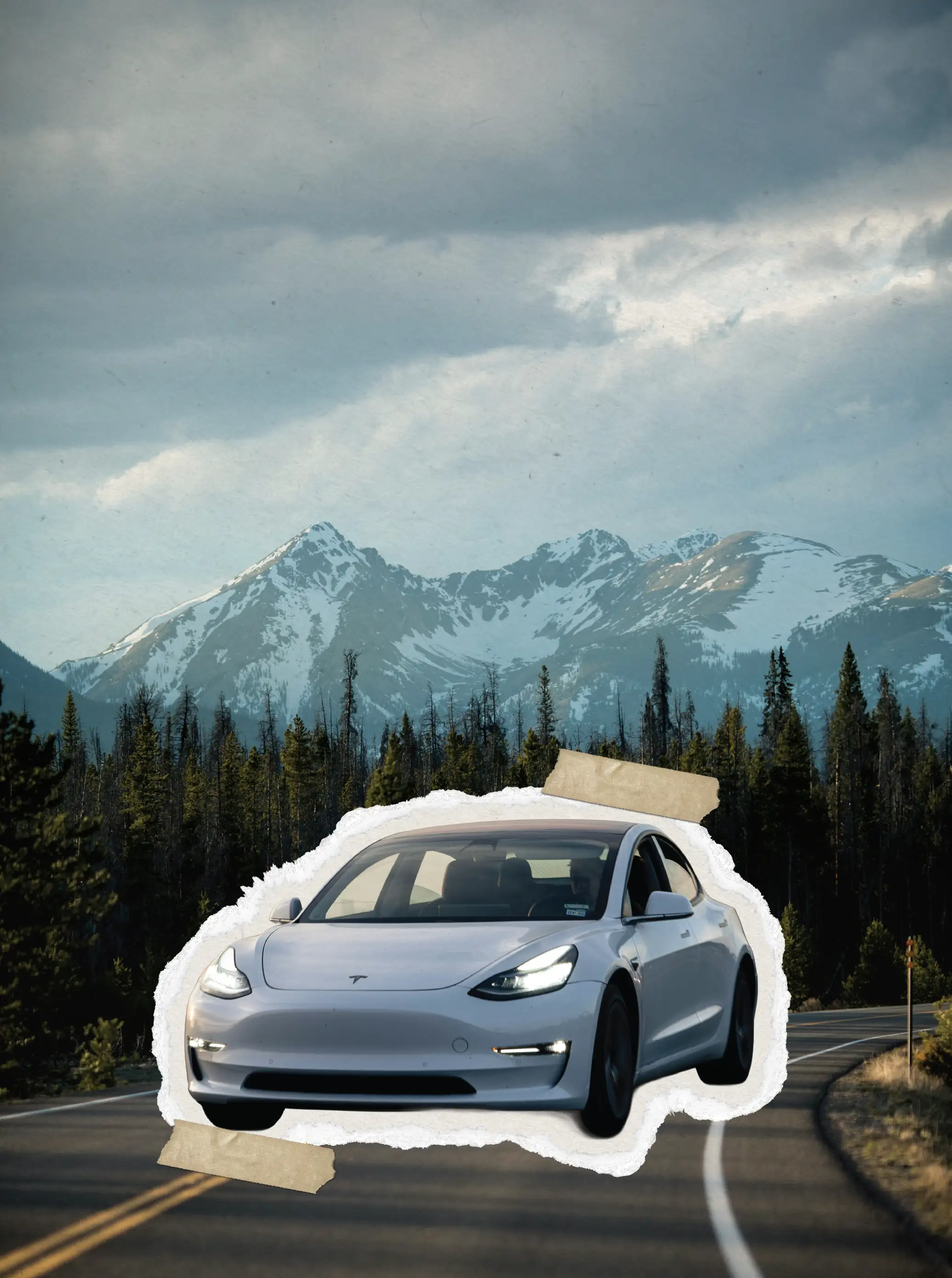
Buying an electric car brings you to a familiar question in slightly unfamiliar packaging: should you buy new or used?
Used EV batteries can be repurposed to store solar or wind power, provide backup electricity for a building or help smoothen supply and demand peaks.
The heaviest addition is not always the one that makes the biggest difference.
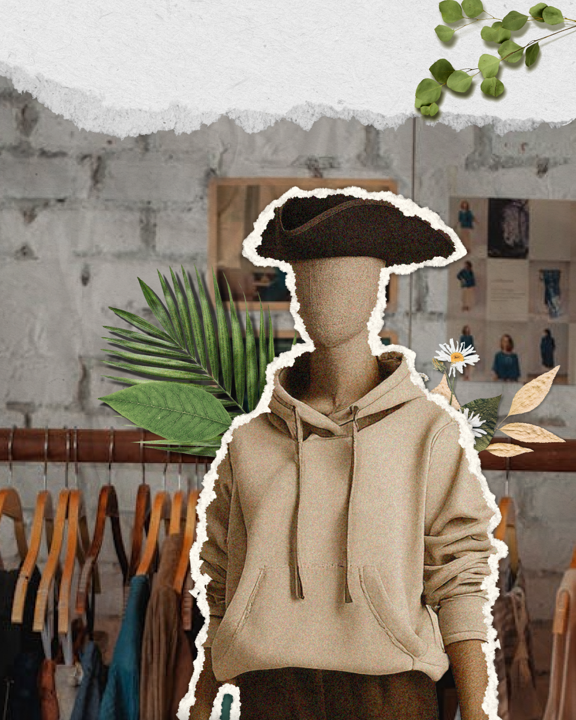
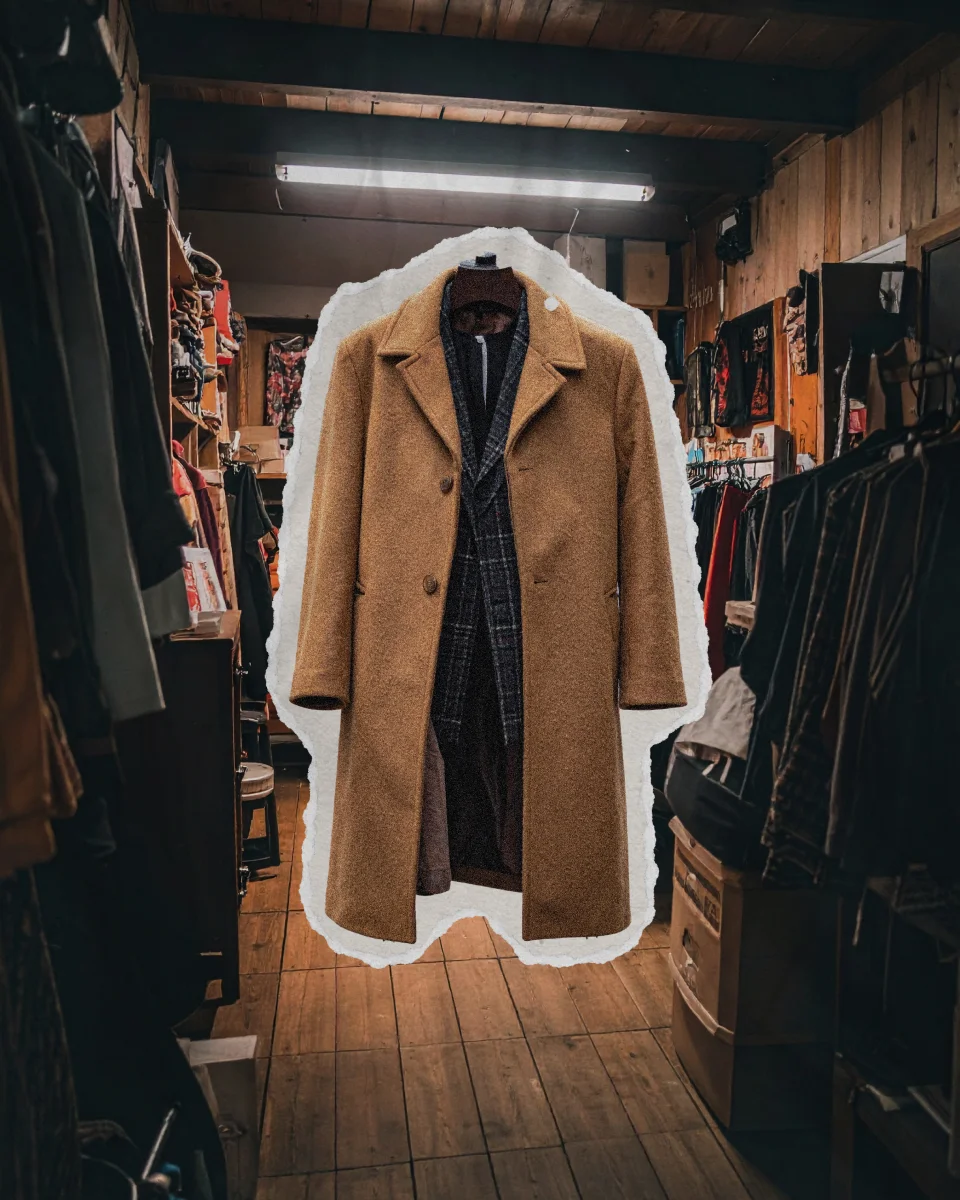
Preloved is not just a niche trend, it’s reshaping how retail works
Whether an EV or an internal combustion engine (ICE) vehicle is the most affordable option for you, depends on many factors. Let’s dive into the numbers.
Let's look at what happens after you found a charger: how you access it, who sets the price and who eventually sends the bill.
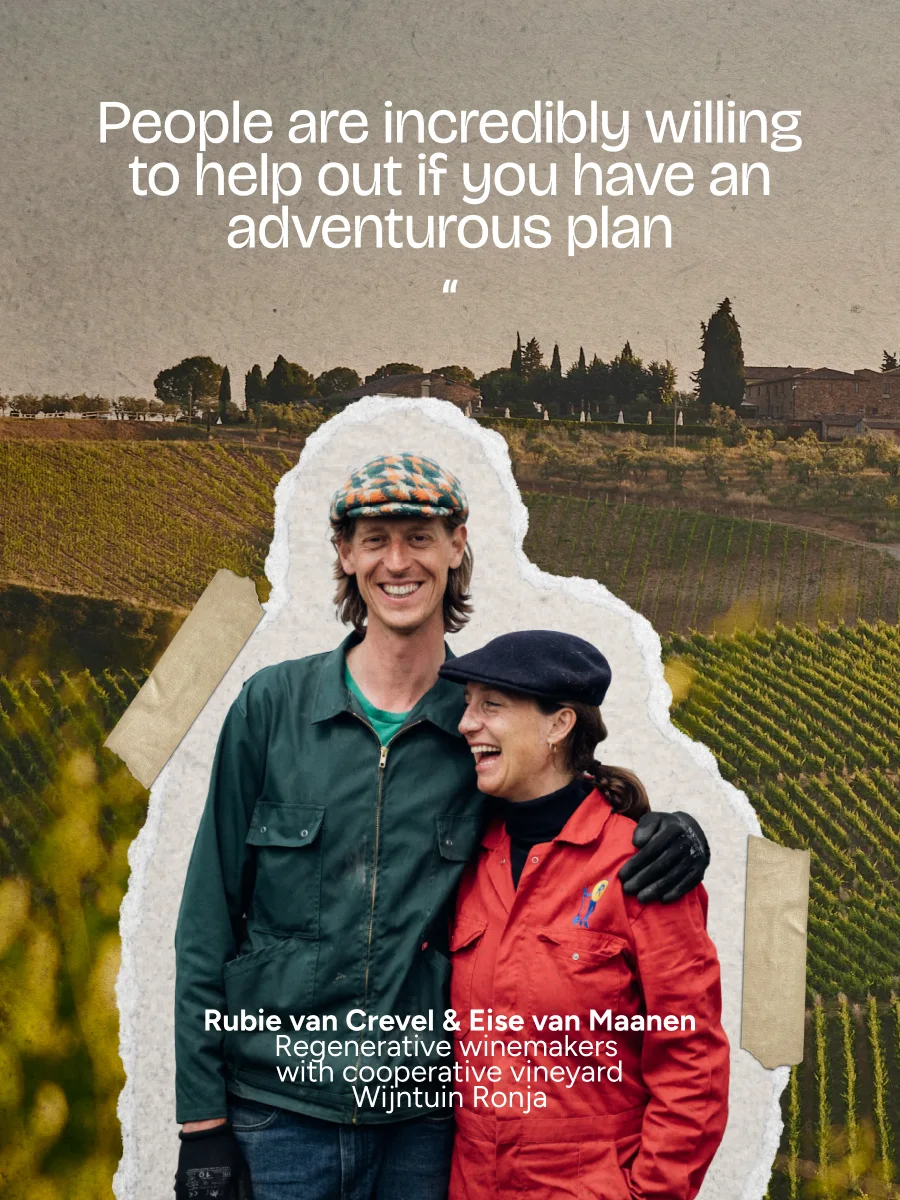
They were offered a piece of land, and thought why not? Now they run a regenerative cooperative vineyard
Follow the steps in order and the enormous collection of models, battery sizes and charging speeds should begin to look considerably less enormous.
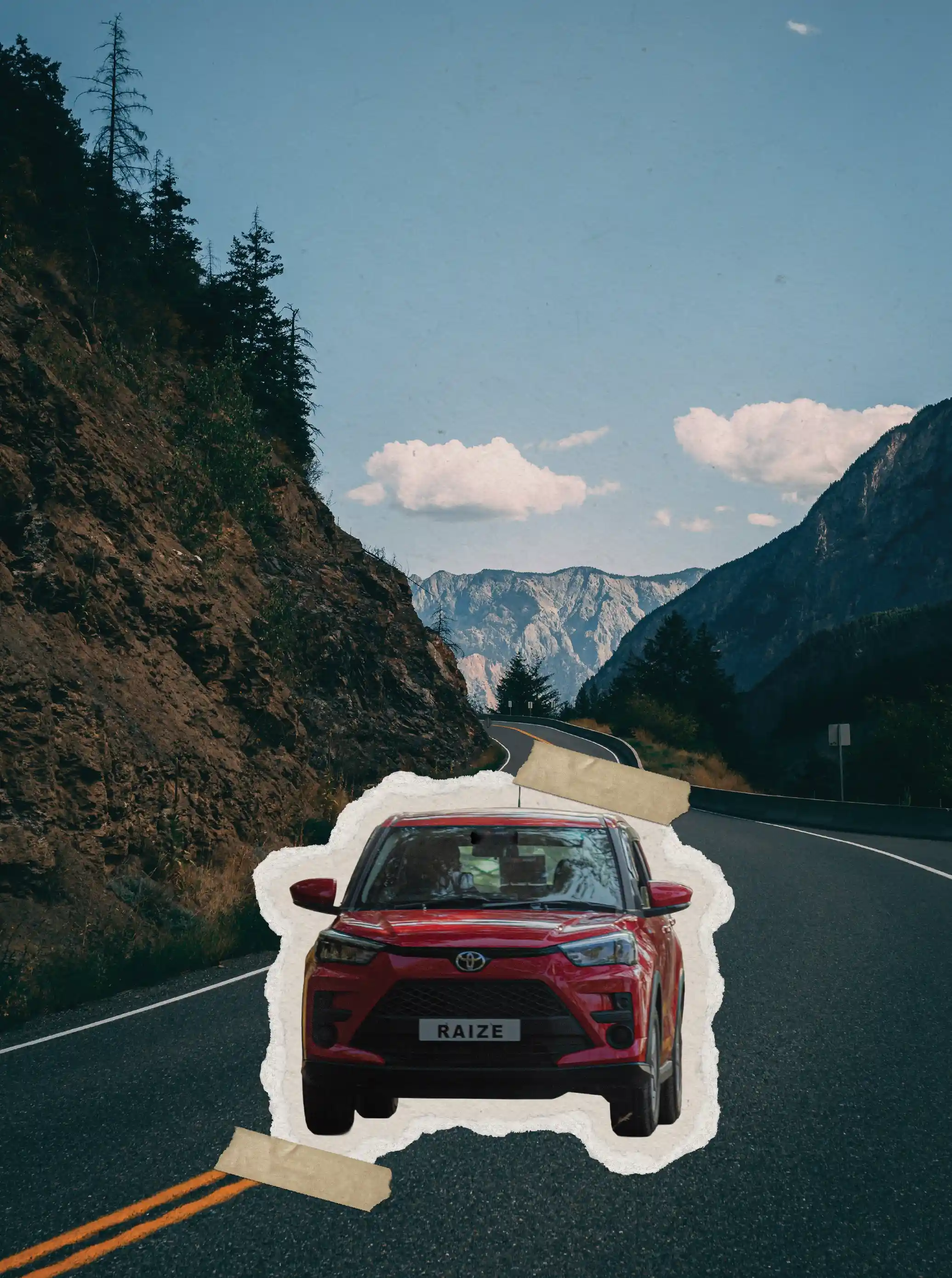
From realistic range to smarter charging stops, here’s how to make an electric road trip work for you.
So, how much difference does the weather really make?
Not having your own driveway doesn't rule out an EV, but it does change the equation.
Prosperity redefined beyond accumulation includes community, experiences, and security, offering fulfilling alternatives to endless material consumption.
From State of Health and charging history to warranties, real-world range and total ownership costs, here is what to check before buying a second-hand EV.
Battery degradation is real. What matters is how quickly that happens and whether it should put you off buying an electric car.
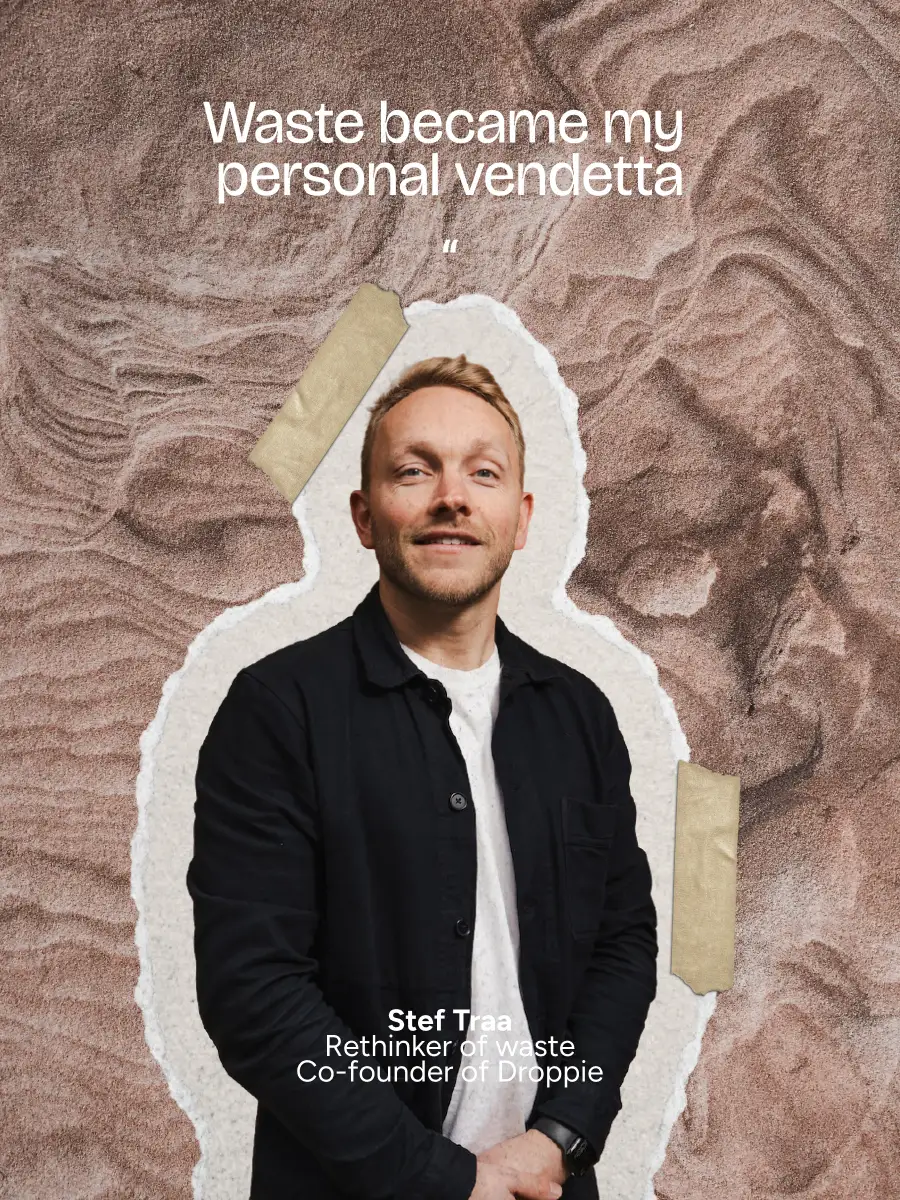
Meet Steff Traa: “Waste became my personal vendetta”
Here are seven of the most common EV myths, what the evidence actually says and what it means if you are considering making the switch.
Where you park, how far you drive, how long you keep a car, and what you actually care about. Those four things decide it.
Does it mean skipping flights? Sleeping in a tent? Cycling to Spain? Never leaving home again? Not quite.
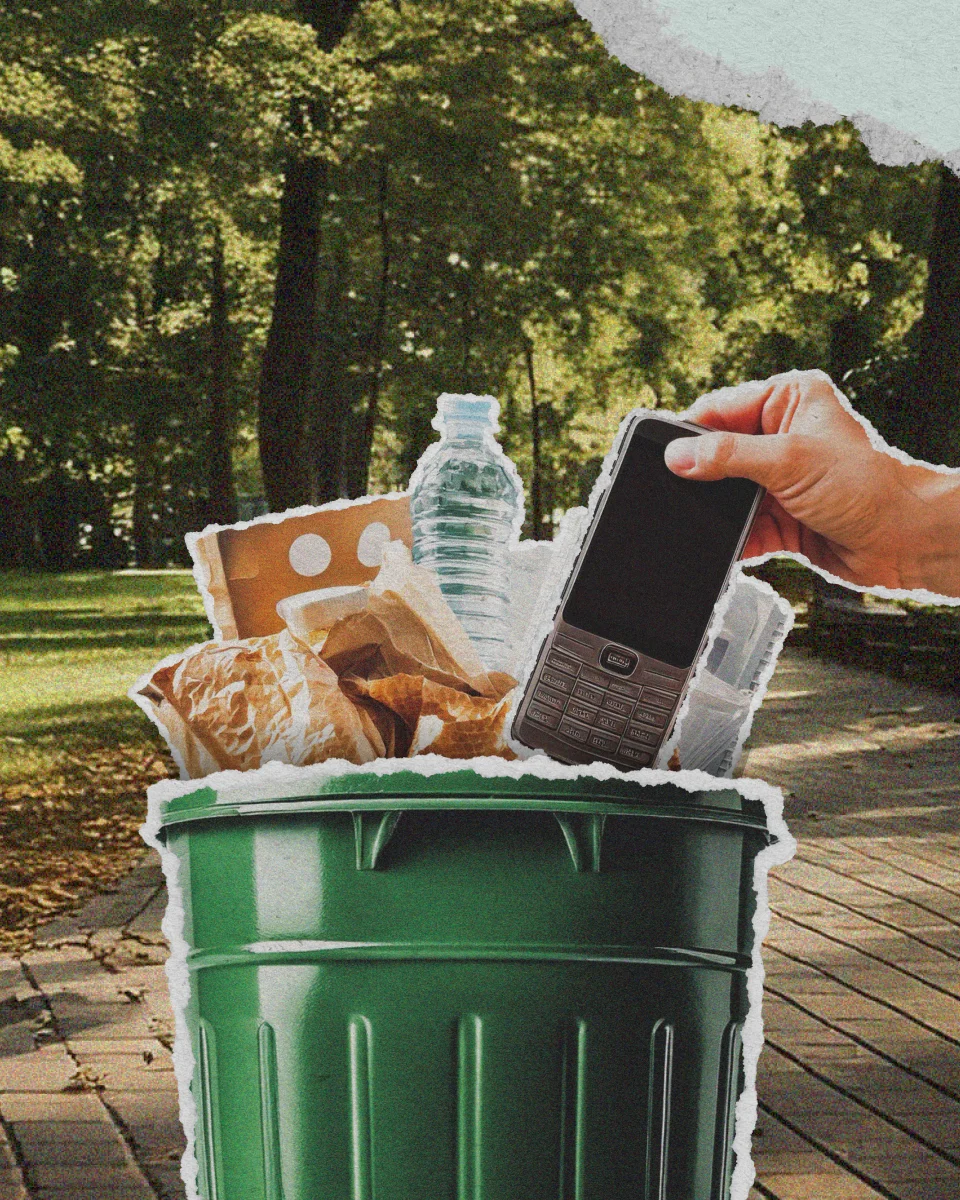
Why billions of phones are lying unused and what we should do about it
That pile of junk in the corner of your garden is not waste, it's full of useful things to make your garden better for biodiversity
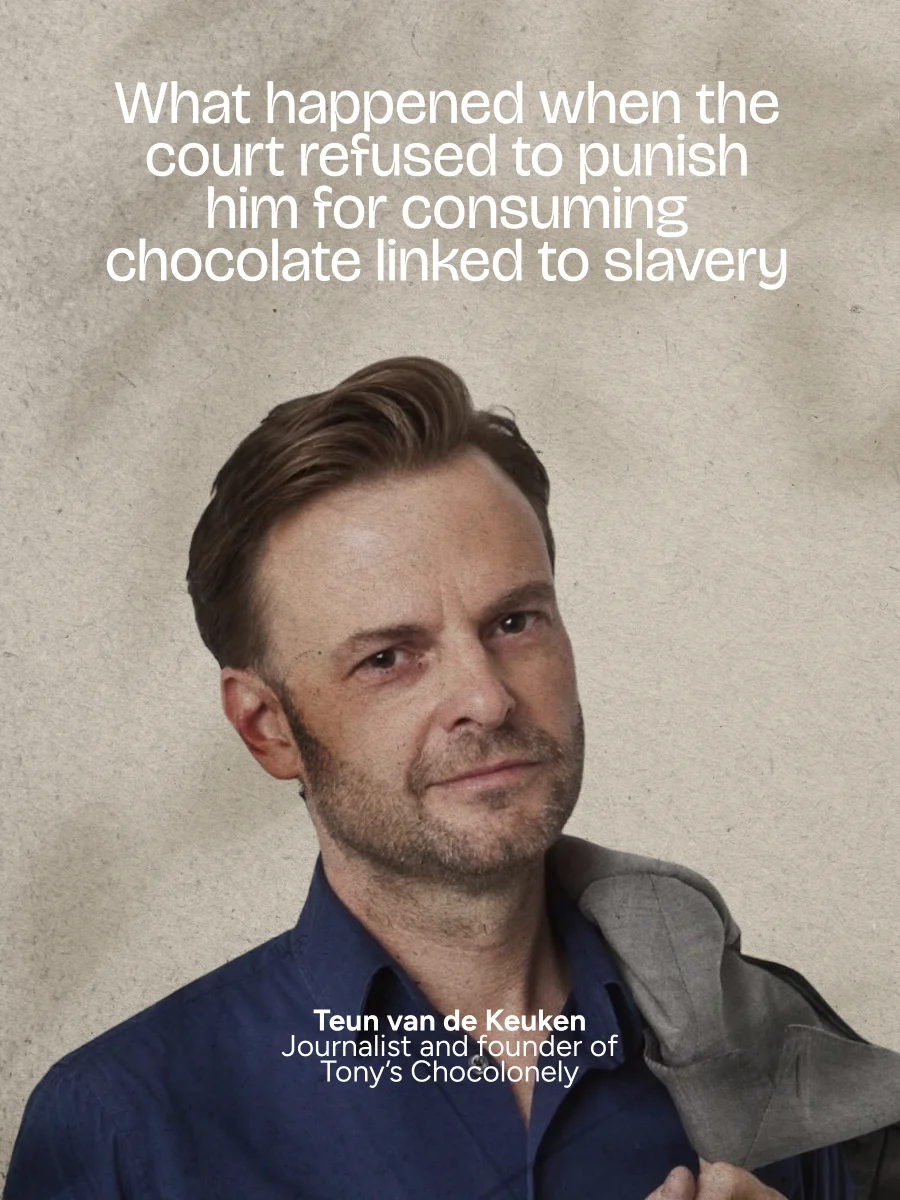
When no one would prosecute him, he decided to become part of the solution.
Sponge city infrastructure absorbs rainwater instead of routing it away, reducing flooding while naturally purifying water through soil filtration systems.
True vintage differs from contemporary fast fashion misbranded as vintage, requiring verification of age, quality, and historical authenticity before purchasing.
Second-hand purchases benefit from thorough cleaning and restoration work, allowing deep appreciation and functional rejuvenation of previously loved items.
Hille van der Kaa developed cowless cheese using fermentation technology, creating animal-free dairy alternatives without compromising taste or sustainability.
Modern consumption driven by novelty rather than need creates cycles of replacement despite functional items, fueled by desire for stimulation.
Household items like coffee grounds possess remarkable utility for odor absorption, pest control, and garden enrichment beyond their initial purpose.
Consumer economy deliberately manufactures constant novelty and discontent, engineering endless stimulation to prevent satisfaction and encourage continuous purchases.
Capsule wardrobes balance minimal ownership with practical versatility, requiring 25-50 carefully selected pieces that coordinate seamlessly across contexts.
Sustainable behavior faces temporal discounting challenges where immediate costs outweigh distant, invisible benefits in decision-making processes.
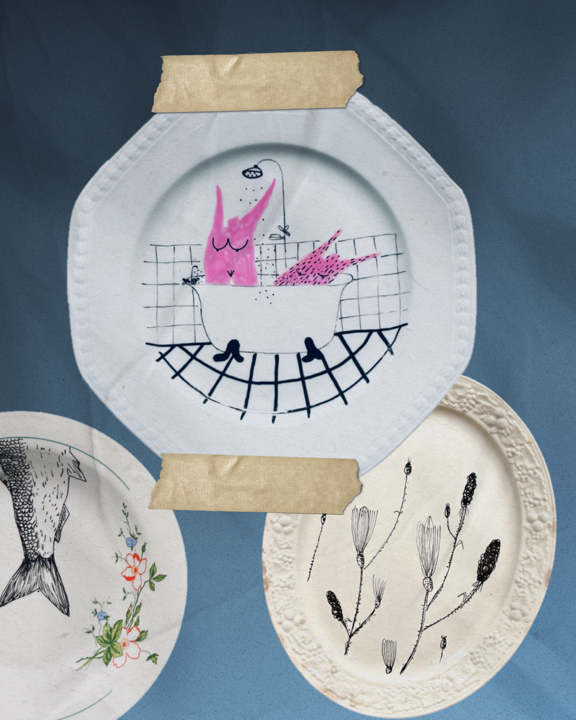
Artist Arent transforms discarded plates into decorative wall art, creating beautiful pieces that challenge perceptions of waste and artistic value.
Achievable New Year resolutions combine sustainability with practicality, making small daily habit changes that require minimal equipment or commitment.
Homemade food gifts offer meaningful alternatives to commercial presents, requiring minimal storage while providing practical enjoyment and value.
DIY biodegradable Christmas decorations made from natural materials offer festive aesthetics while eliminating environmental impact after holiday season.
Kacper discovered that coffee production wastes 95% of the cherry, creating innovative solutions to utilize this currently discarded valuable resource.
Holiday seasons drive food waste spikes across Europe, yet intentional meal planning and portion awareness can dramatically reduce household waste.
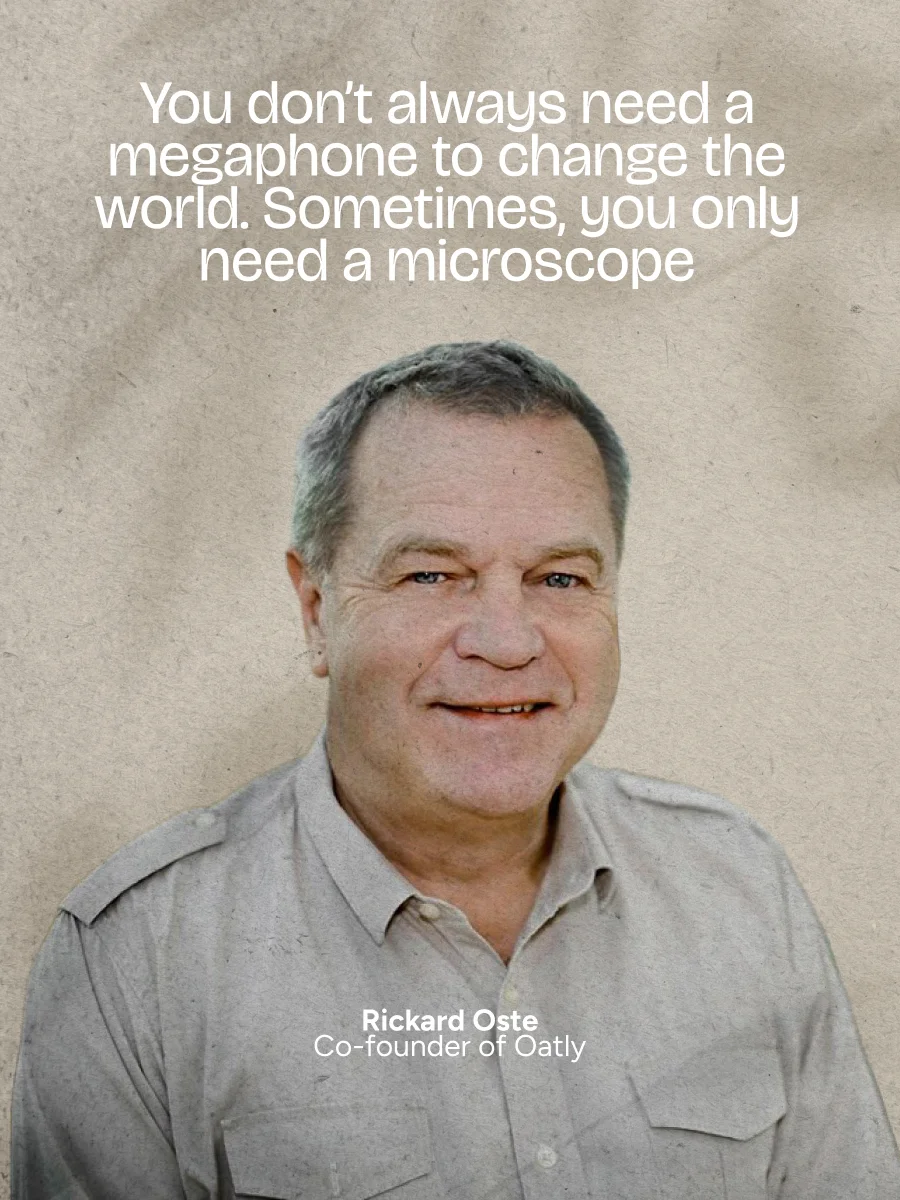
Rickard Öste pioneered oat milk as a sustainable dairy alternative, addressing lactose intolerance and environmental concerns of traditional dairy production.
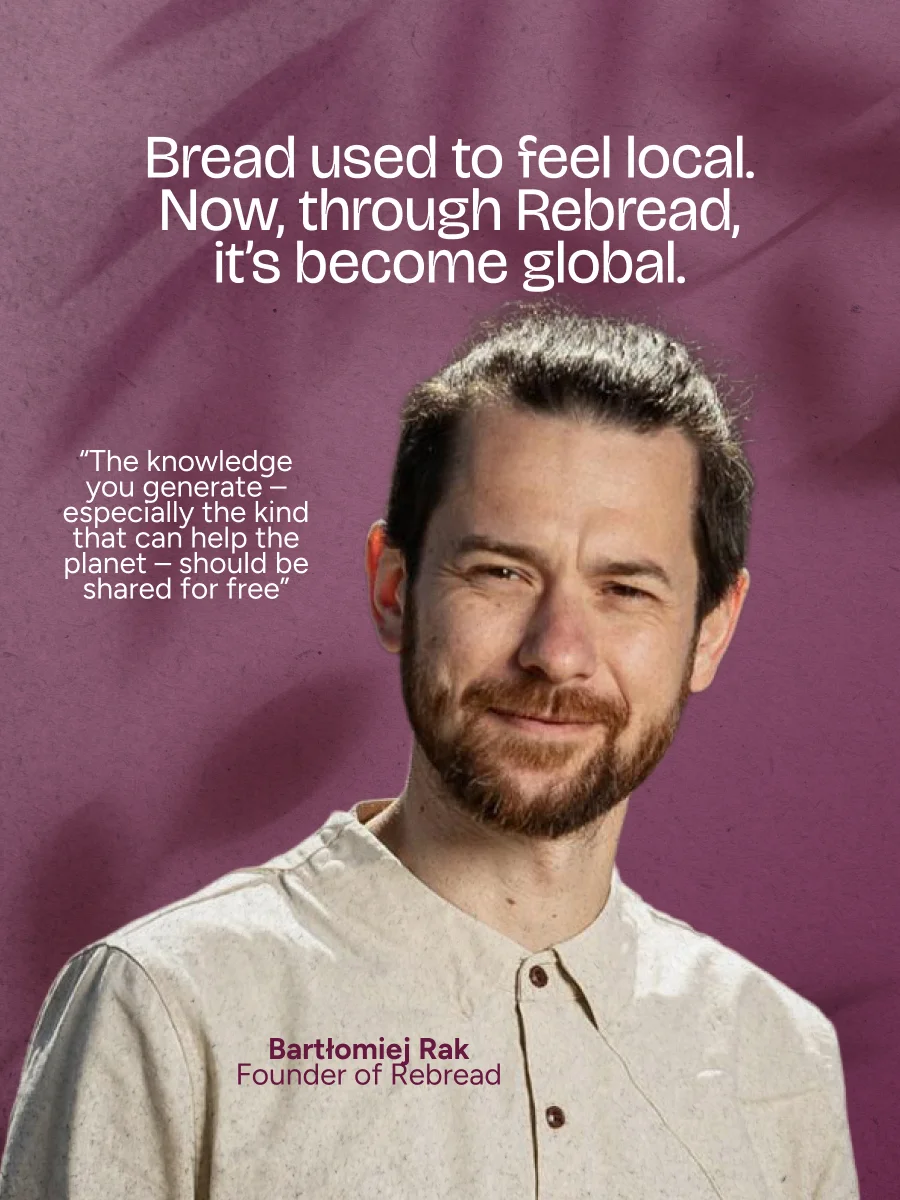
Bartlomiej's Rebread ecosystem transforms unsold bakery products into high-fibre proteins and fermented drinks using innovative biotechnology solutions.
Polish Wigilia Christmas tradition demonstrates seasonal eating principles, inspiring creative, responsible cooking using naturally available winter ingredients.
Brands reimagine Black Friday by rejecting aggressive consumerism, instead promoting sustainable alternatives and challenging shopping culture fundamentals.
IKEA reimagines its founding vision by creating a circular marketplace for existing furniture, extending product lifecycles beyond initial purchase.
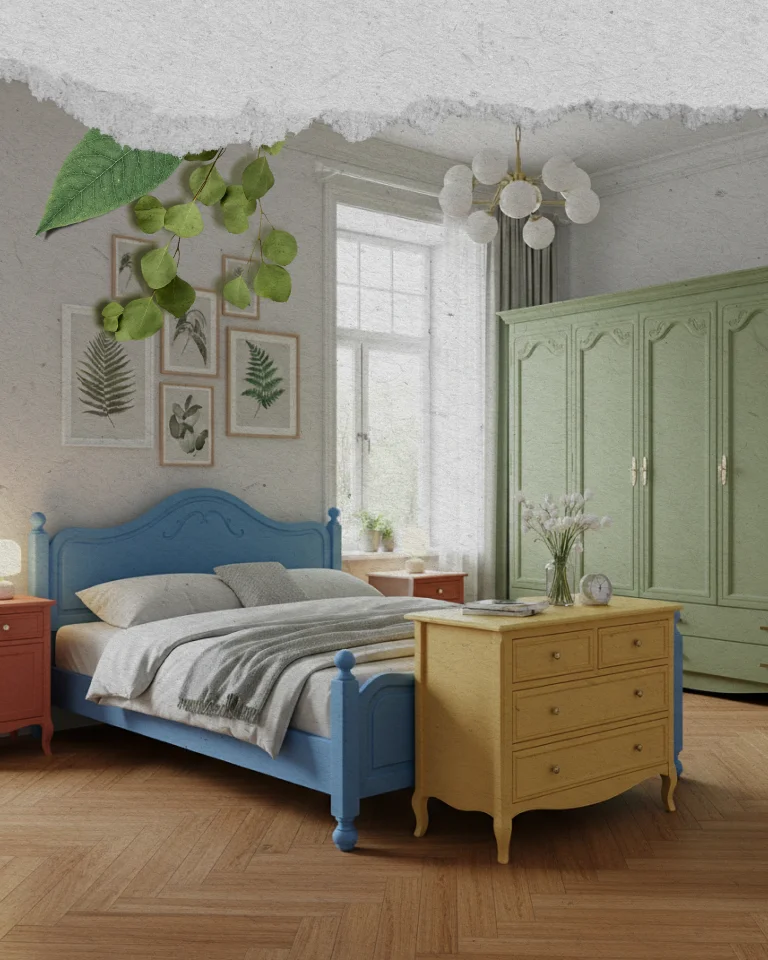
Finding quality second-hand furniture requires planning, measurement awareness, and strategic searching across multiple platforms and local thrift stores.
Seasonal fast fashion trends create unsustainable consumption cycles, prompting conscious rejection of single-use garments requiring constant replacement.
Environmental advocates who make sustainable choices face criticism for their remaining unsustainable practices, yet their efforts still drive systemic change.
Scientists explore revolutionary technology to generate electricity from rain, offering sustainable energy solutions for water-rich regions worldwide.
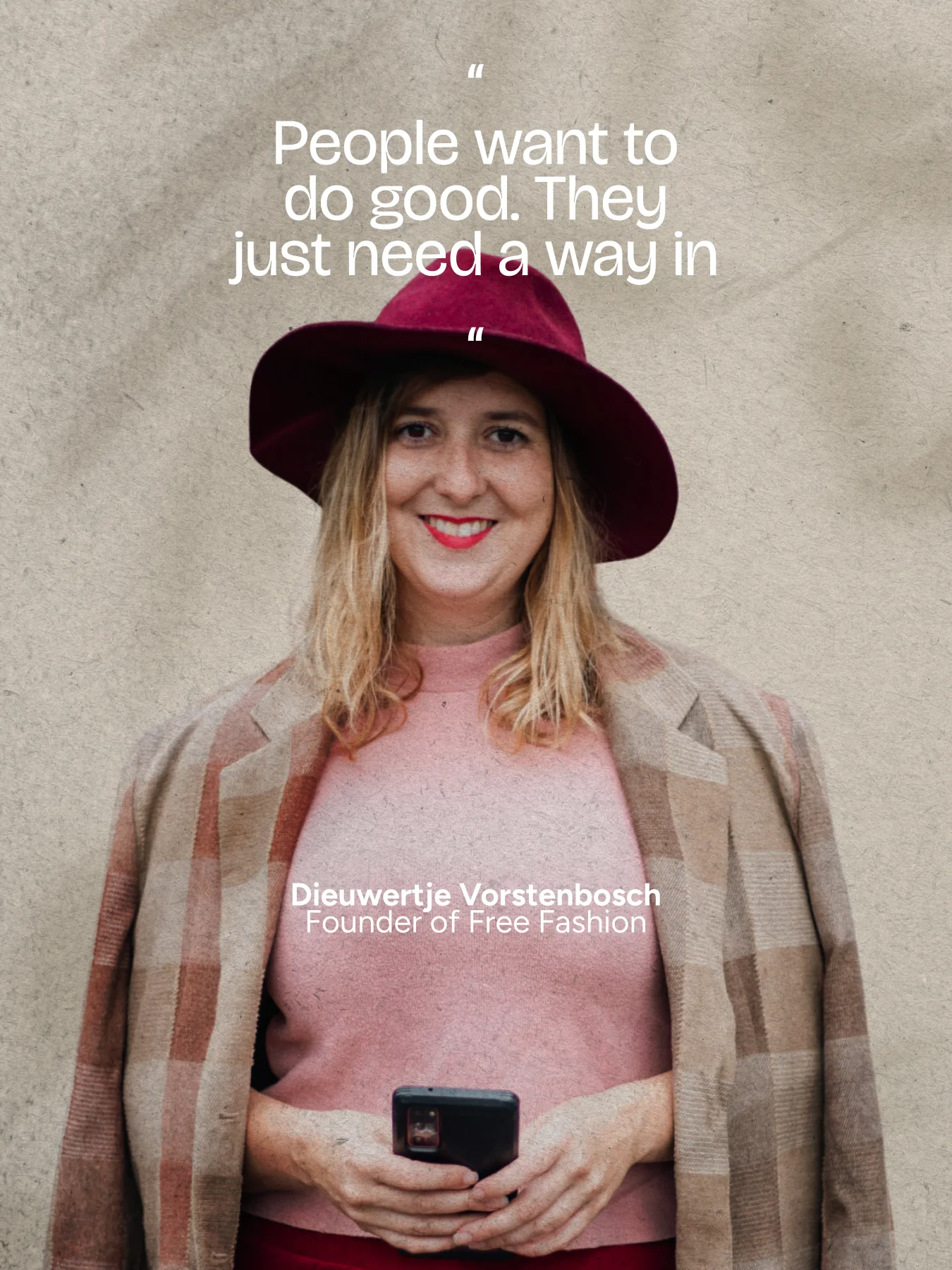
A fashion brand where everything is free reflects the true human and environmental cost of clothing production, challenging consumption habits fundamentally.
Fallen leaves provide winter shelter for frogs and invertebrates, offering free insulation that maintains biodiversity while reducing cleanup labor.
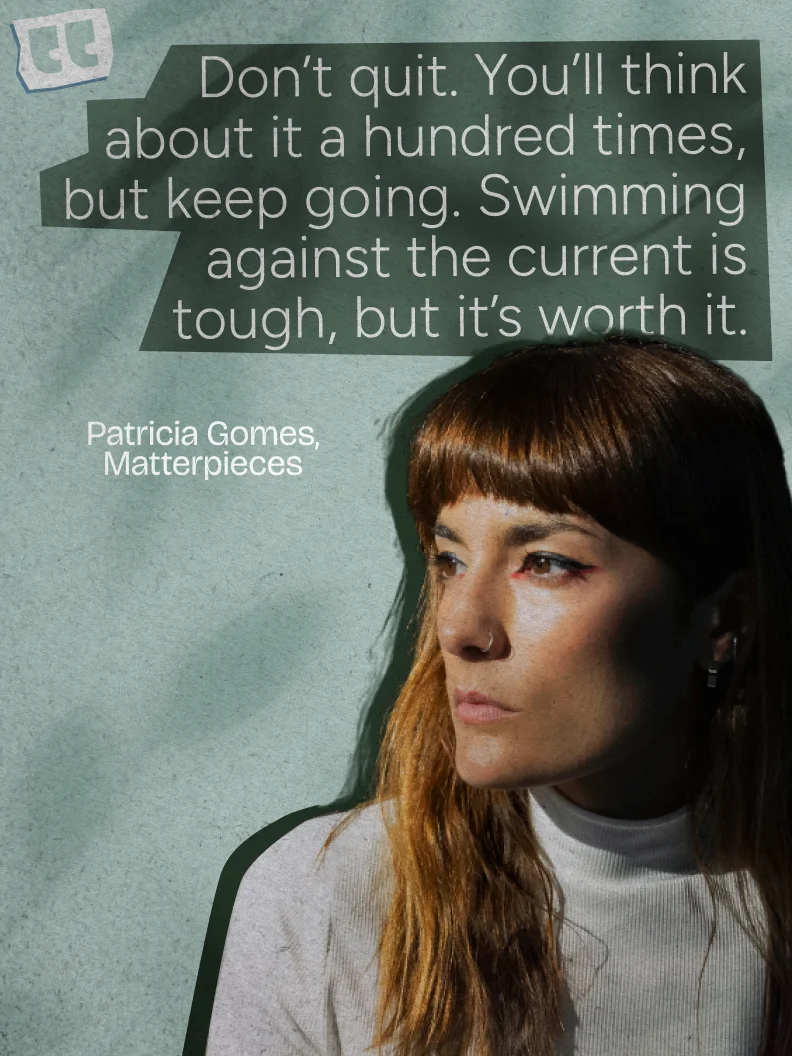
Patrícia Gomes and Luís Lima founded Matterpieces to transform construction waste into durable, beautiful bricks, revolutionizing how the building industry views waste.
Only 17% of electronic waste gets properly recycled, leaving toxic components in landfills while valuable resources remain inaccessibly buried.
Generative AI helps second-hand furniture shoppers visualize potential transformations, bridging the gap between imagination and final design choices.
William McDonough pioneered sustainable architecture by reimagining design principles as cyclical systems inspired by natural, regenerative patterns.
Second-hand East European post-WWII jewelry emerges as smart investment choice, combining aesthetic value with financial stability during uncertain times.
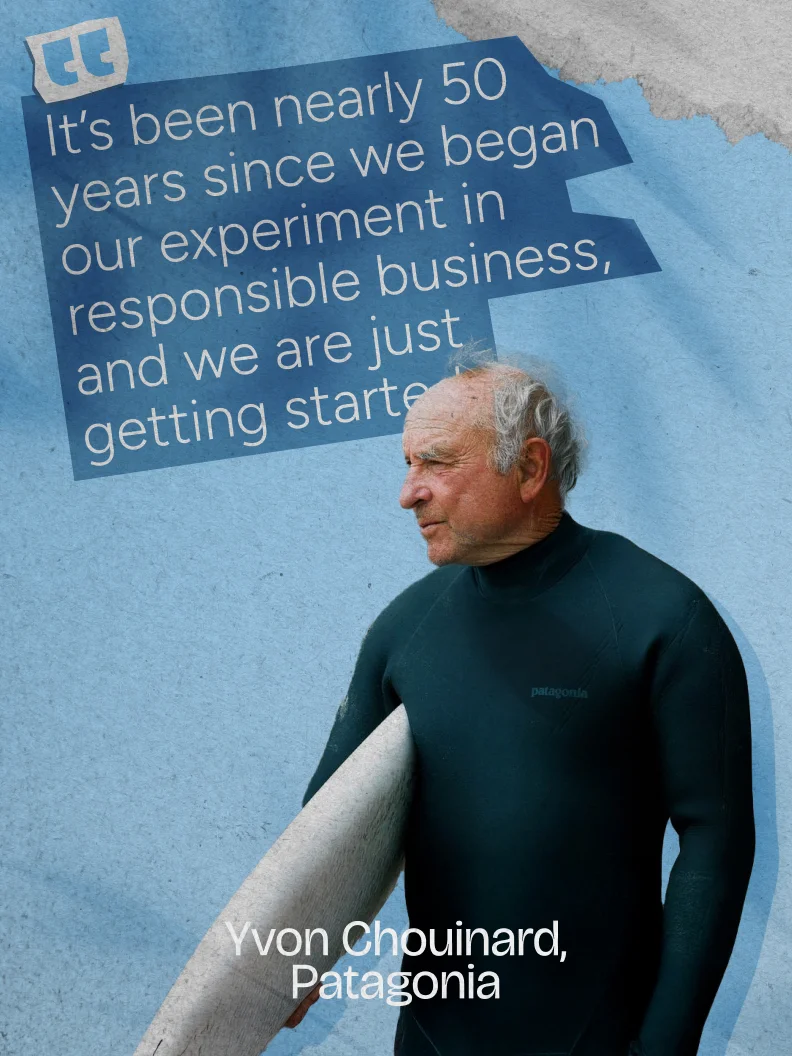
Yvon Chouinard built Patagonia on the principle that business is an effective tool for environmental and social change, making activism central to the brand.
In 2020 human-made materials surpassed biological material weight globally, reflecting unsustainable consumption patterns that cannot continue indefinitely.
Human novelty-seeking instinct evolved for survival but now drives excessive consumption, draining planetary resources through endless shopping cycles.
The Rethink series explores how redefining personal possession and consumption patterns can create sustainable lifestyles that benefit both people and planet.
Strategic decluttering through online sales requires starting small with specific areas, highlighting how unused items signal purchasing mistakes and waste.
Fashion history reveals how clothing evolved from necessity to excess, highlighting how modern consumption differs dramatically from pre-industrial practices.
Eco-anxiety affects 68% of Americans, yet active hope provides constructive antidotes through community engagement and tangible environmental action.
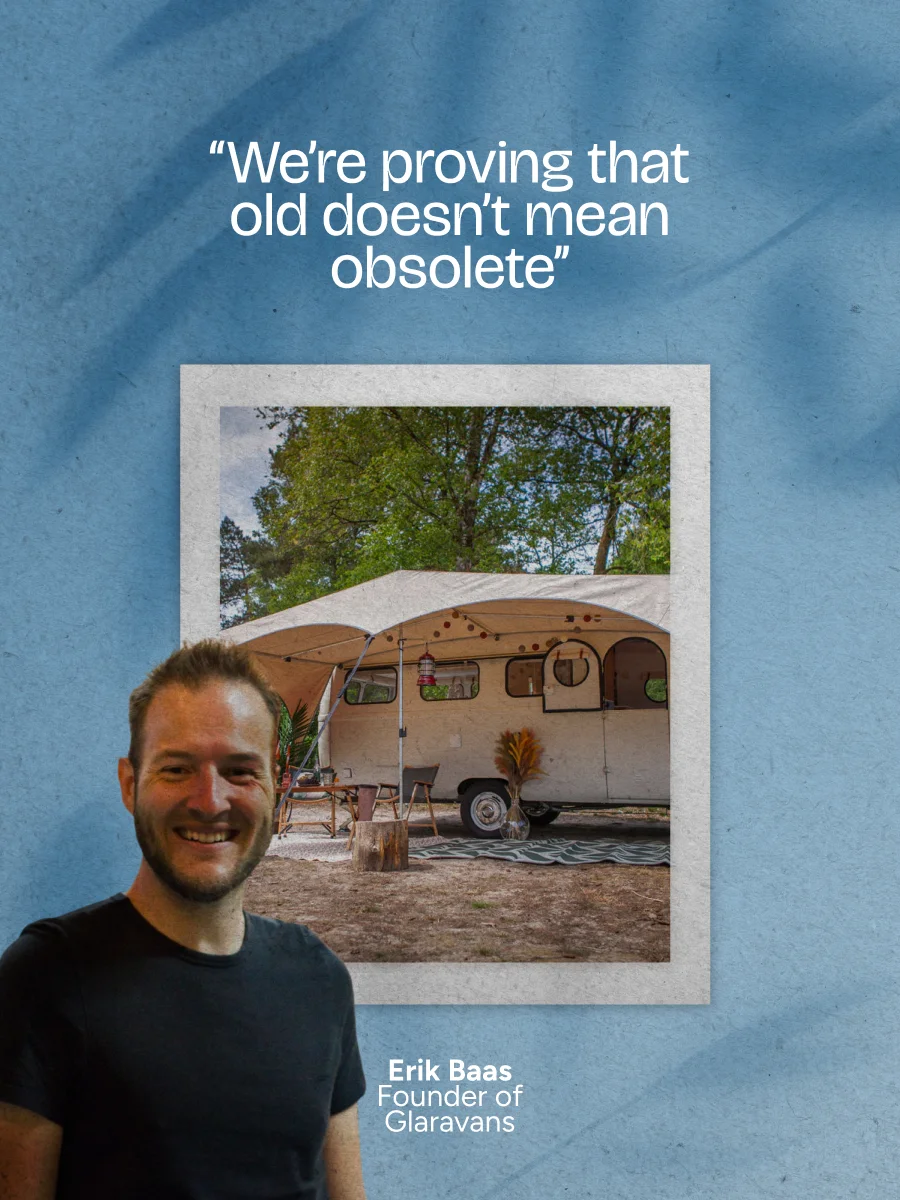
Erik transformed vintage caravans into luxurious travel companions, proving that restoration and sustainability can create stunning modern experiences.
Effective thrifting requires understanding personal style preferences before shopping, enabling intentional selections that truly align with individual taste.
Hanneke van Zessen demonstrates creative wardrobe styling techniques that maximize existing pieces, reducing the need for constant new clothing purchases.
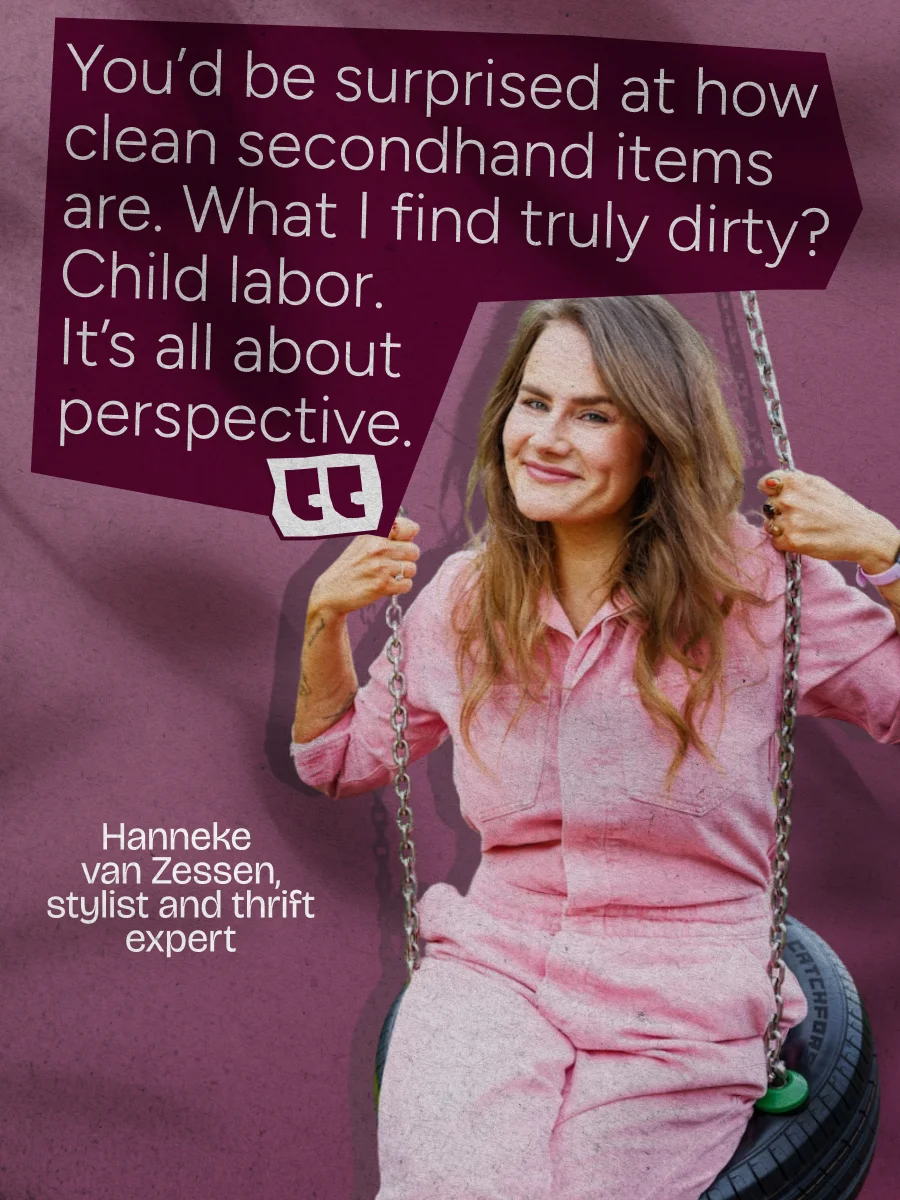
Hanneke van Zessen champions secondhand fashion culture, proving that preloved shopping is accessible, exciting, and better for the environment than new purchases.
The 7Rs framework—Refuse, Reduce, Reuse, Repair, Repurpose, Recycle, Rot—provides practical guidelines for reducing consumption and environmental impact.
Patient, exploratory thrifting without predetermined missions yields authentic discoveries, suggesting intentional browsing beats goal-oriented shopping approaches.
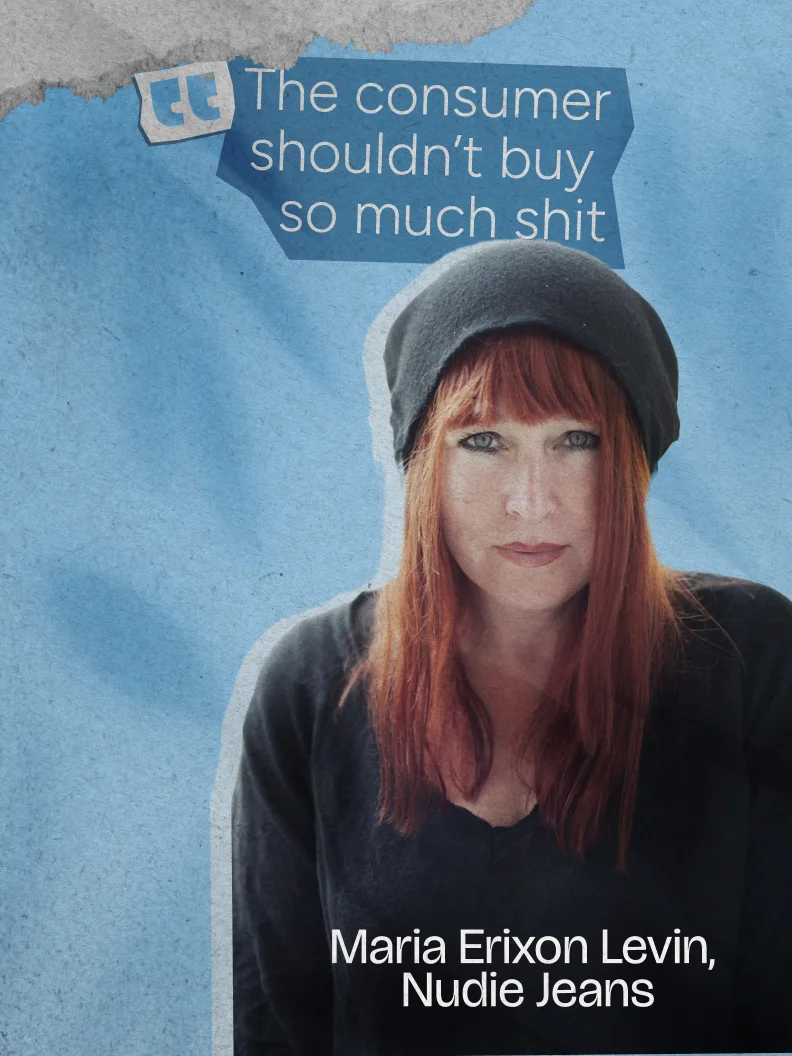
Maria Erixon Levin built Nudie Jeans with a revolutionary ethos—prioritizing work-life balance and ethical production over exponential growth.
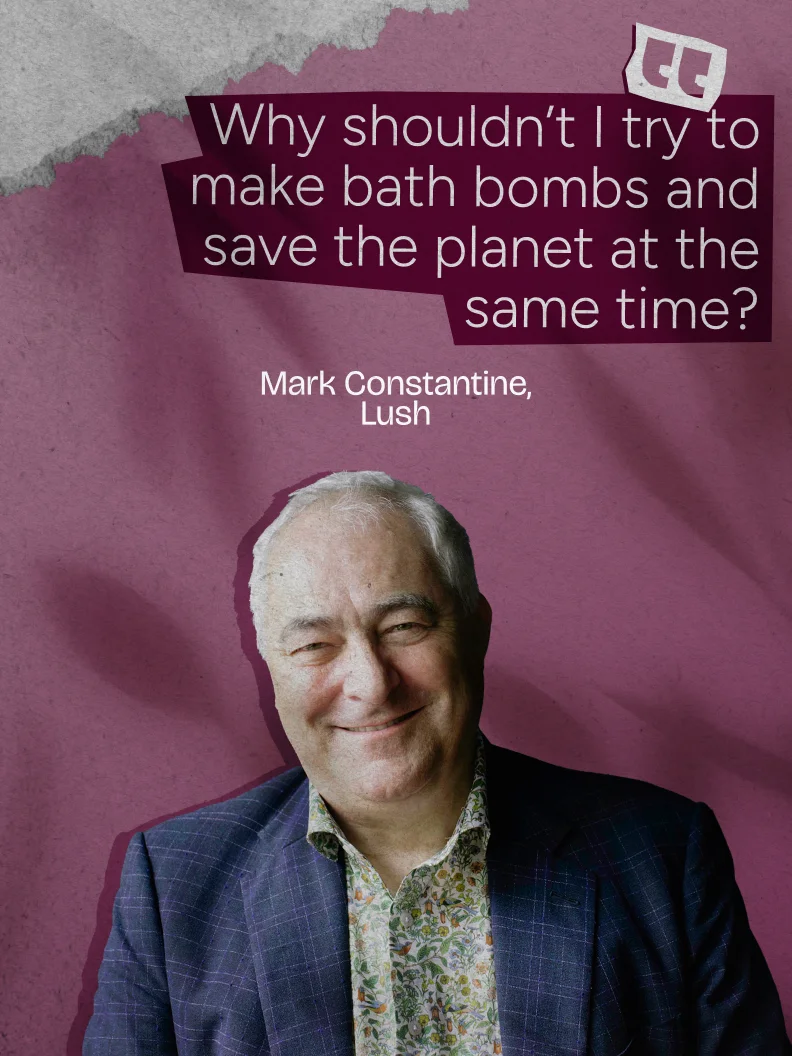
Mark Constantine transformed from a homeless teenager to founding Lush, creating a cosmetics brand built on ethics, activism, and commitment to social responsibility.
Physical clutter directly increases mental stress and psychological distress, making minimalism an effective strategy for reducing anxiety and improving wellbeing.
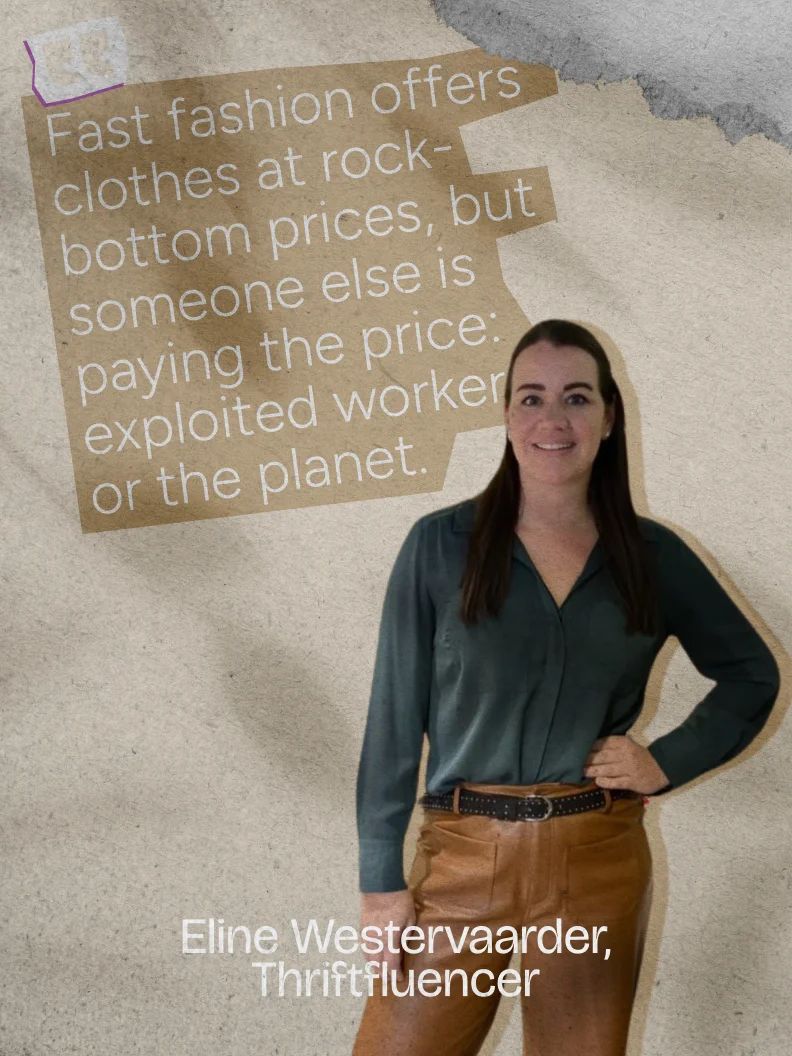
Eline Westervaarder champions sustainable fashion through thrift shopping, proving secondhand goods offer quality alternatives to fast fashion's throwaway culture.
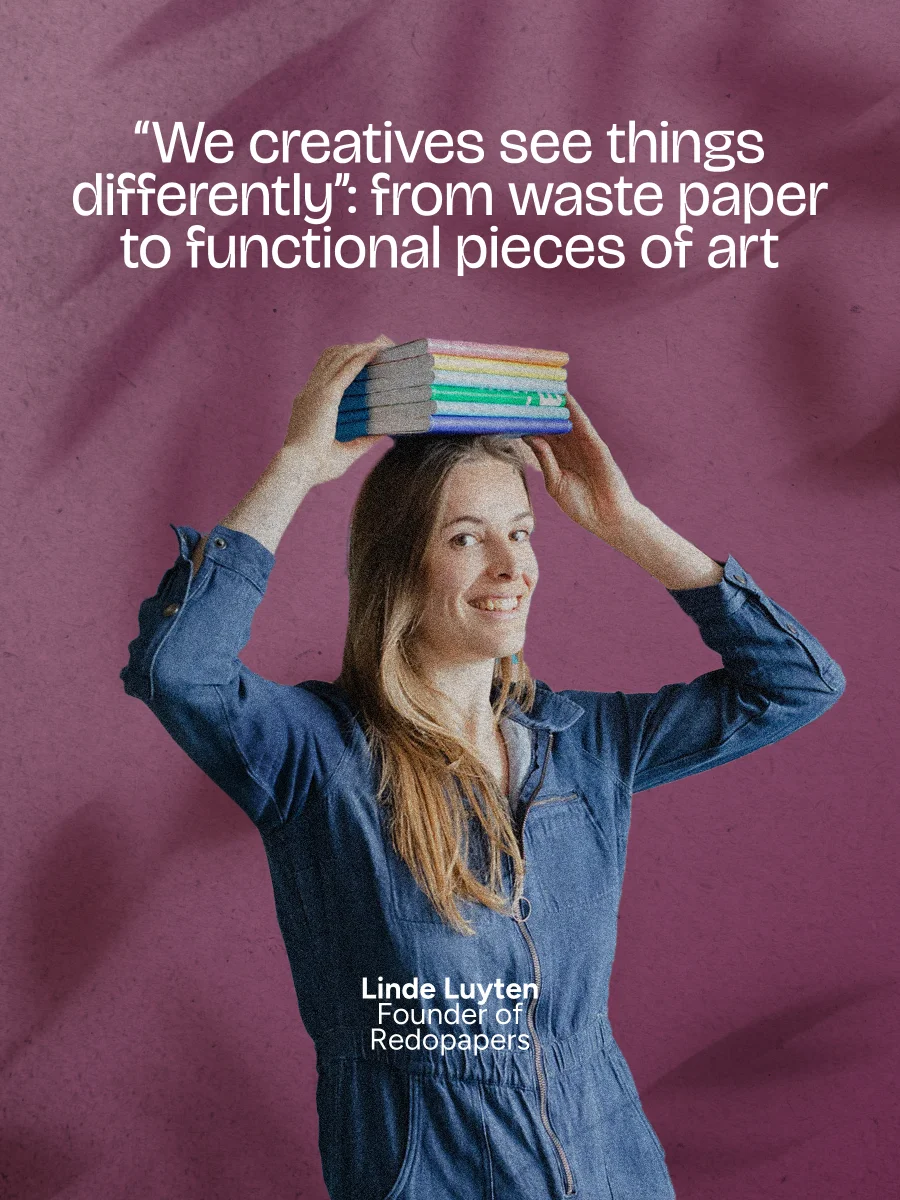
Linde Luyten and her co-founder transformed Redopapers from a graphic design frustration into an innovative company that recycles paper waste into beautiful products.
Vintage and preloved boutiques reduce thrifting friction by offering curated, cleaned selections, making sustainable shopping accessible to hesitant newcomers.














.png)
.png)