From TV watchdog to chocolate rebel: The story of Tony Chocolonely founder Teun van de Keuken

Early life

Teun van de Keuken grew up in the Netherlands and initially set out on a career in journalism rather than business. After studying communication science at the University of Amsterdam, he began working in television, where he developed a reputation for asking uncomfortable questions about everyday consumer products.

His breakthrough came as a reporter and presenter on the Dutch investigative TV program Keuringsdienst van Waarde. The show became known for digging into the hidden realities behind food and household goods, from misleading labels to dodgy supply chains.

For Van de Keuken, journalism was about exposing systems that most consumers rarely see. That mindset would eventually lead him far beyond the newsroom and into the chocolate industry.

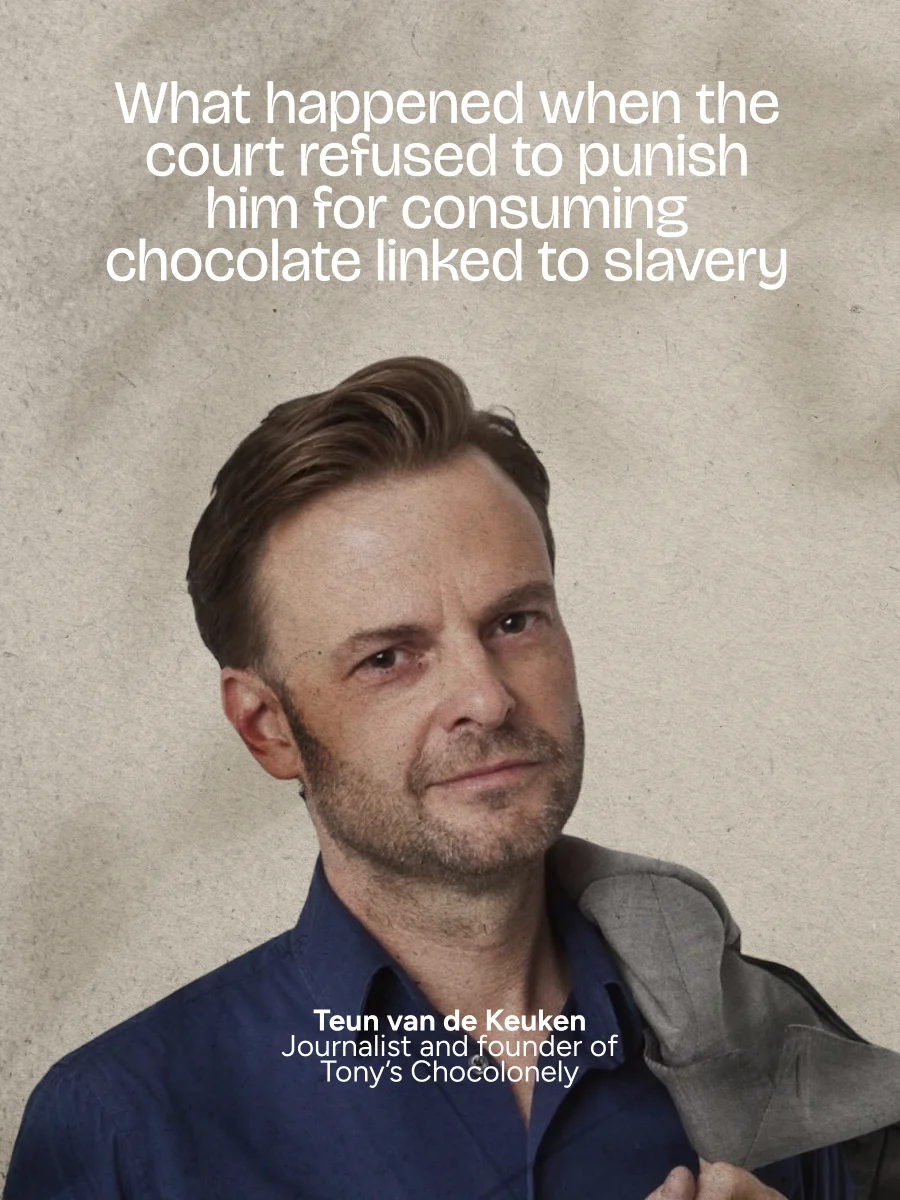
In 2003, Dutch journalist Teun van de Keuken uncovered something deeply uncomfortable: muach of the world’s chocolate was linked to illegal child labor and modern slavery on West African cocoa farms. His investigation for Keuringsdienst van Waarde exposed a supply chain so opaque that even the biggest chocolate companies couldn’t guarantee their cocoa was slave-free, or refused to engage at all.

But instead of stopping at reporting, Teun took a radical step: he tried to hold himself legally accountable by eating chocolate he knew was tainted and then turning himself in to the police. When no one would prosecute him, he decided to become part of the solution.

Pablo Merchan Montes

A protest that turned into a company

As an investigative journalist for the Dutch TV program Keuringsdienst van Waarde, Van de Keuken spent years uncovering uncomfortable truths about the food industry. In 2003, one investigation led him deep into the global chocolate supply chain and what he found was hard to ignore: illegal child labor and modern slavery on West African cocoa farms.

Just reporting the story wasn’t enough for him. On national television, Van de Keuken ate several chocolate bars and attempted to have himself prosecuted for knowingly consuming products linked to slavery. The courts refused the case, but the point had been made.

If the industry wouldn’t change, he decided, he would build a different one himself. So in 2005, Van de Keuken launched Tony’s Chocolonely, a chocolate company with a radical mission: to make 100% slave-free chocolate the norm.

Even the name carries the story. ‘Tony’ is the English version of Teun, while ‘Chocolonely’ reflects how lonely he initially felt in his fight against the industry.
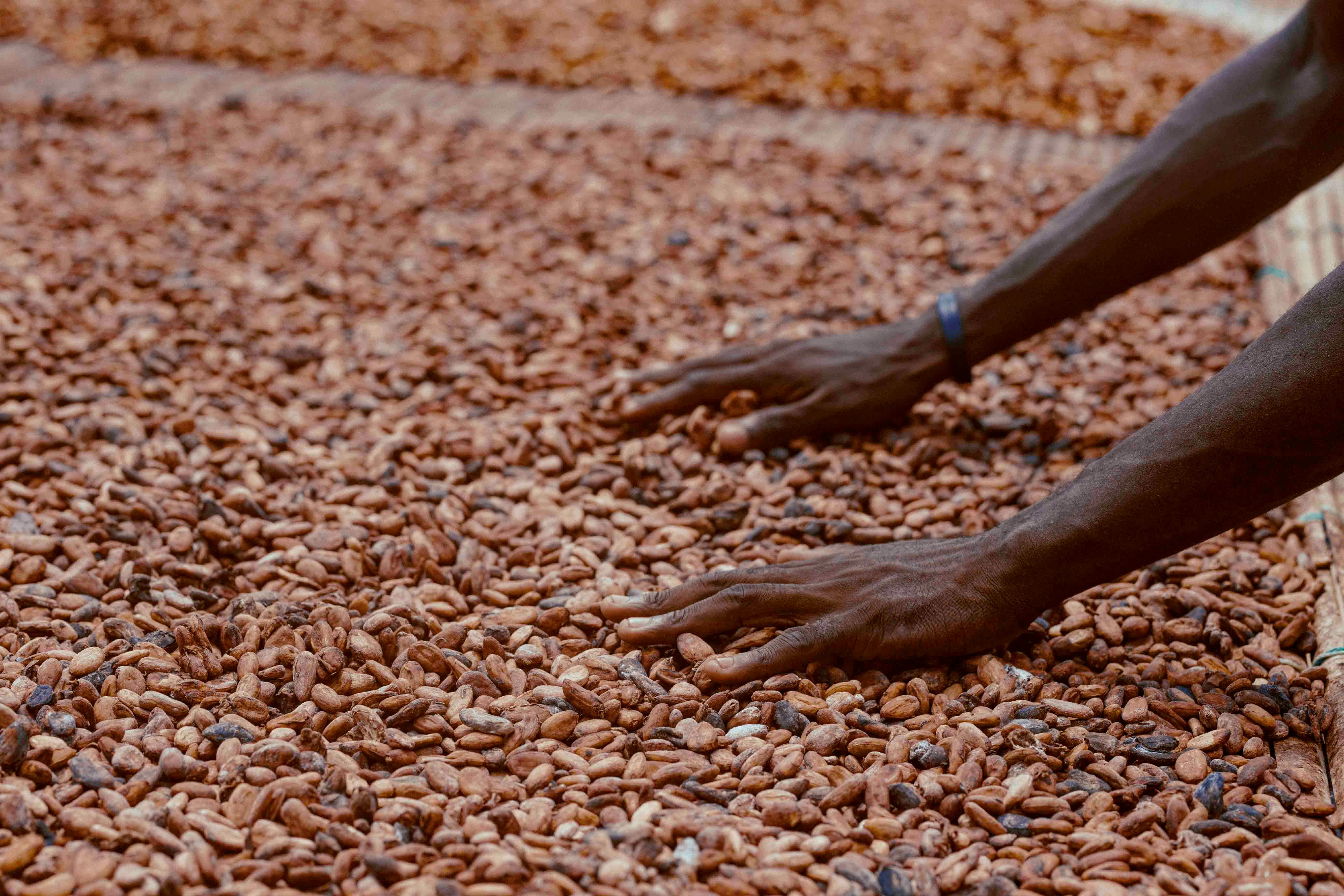
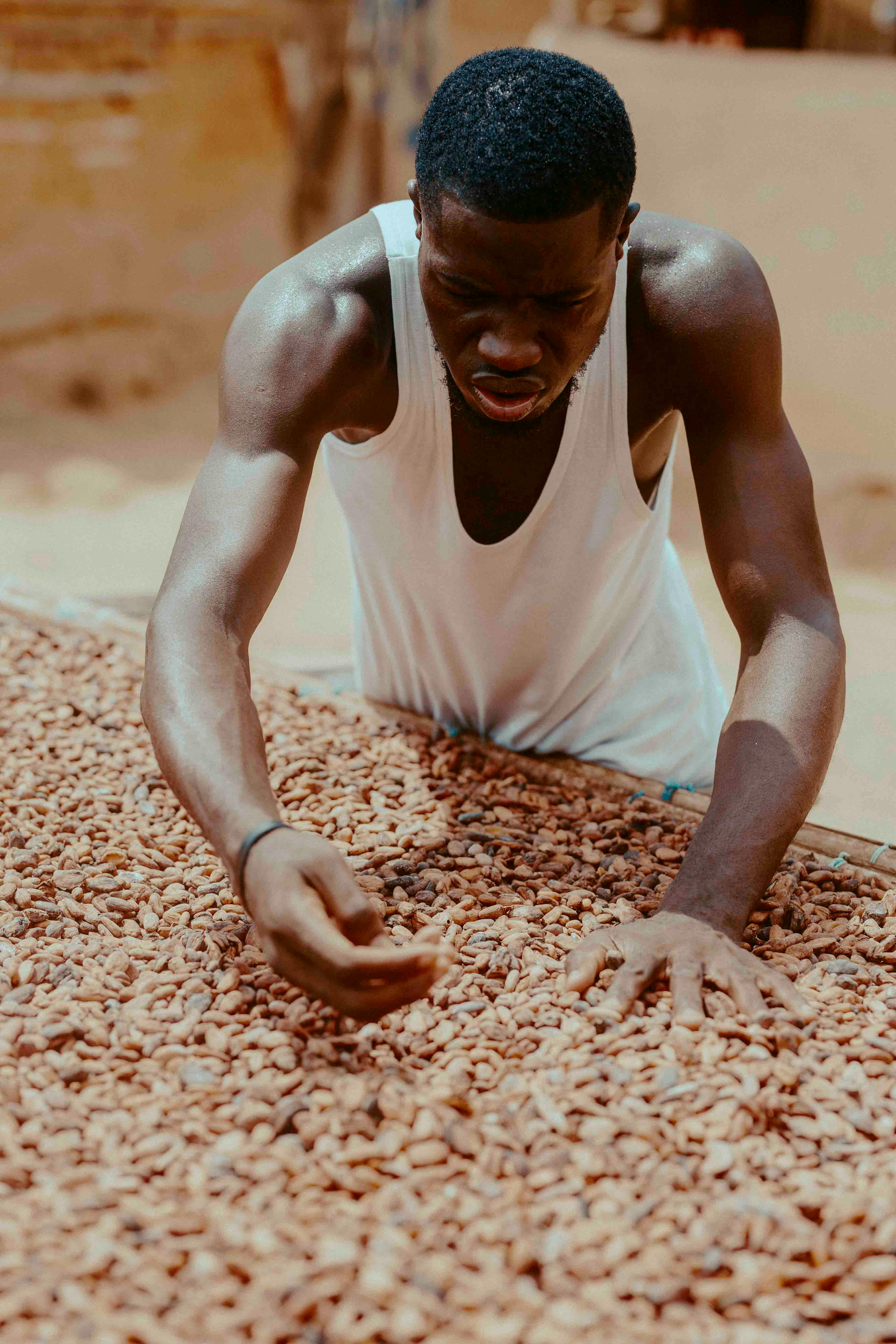
Even the chocolate bars themselves carry the message: their uneven pieces symbolize the unequal distribution of profits in the global cocoa industry.

A promising start

Tony’s Chocolonely turned out to be a hit almost immediately. The first batch of chocolate bars sold out within two days: 20.000 bars gone almost overnight. What started as a protest had suddenly become a real (and tasty) business.

But for Tony’s, success was never just about selling chocolate. From the beginning, the company positioned itself as something else entirely: an impact company that happens to sell chocolate. That meant doing things differently. Tony’s pays cocoa farmers a premium price to ensure a living income. The company makes sure its cocoa is fully traceable. And it actively investigates and addresses child labour in its supply chain instead of pretending it doesn’t exist. Even the chocolate bars themselves carry the message: their uneven pieces symbolize the unequal distribution of profits in the global cocoa industry.

In other words, Tony’s tries to fix the system from the inside. Chocolate, in this case, is simply the vehicle.

Zeal Creative Studios

Zeal Creative Studios

Passing the baton

Interestingly, Van de Keuken never intended to spend his life running a chocolate company. After helping Tony’s Chocolonely launch and proving the idea could work, he stepped away from the company’s day-to-day leadership. In 2007, Henk Jan Beltman took over as CEO and began scaling the brand beyond its activist beginnings.

Van de Keuken, meanwhile, returned to what he knew best: journalism. He continued writing books, hosting television programs and investigating the hidden systems behind everyday products. In many ways, Tony’s Chocolonely was never meant to be his final destination. It was a demonstration, proof that change inside an industry was possible.

Under new leadership, the company grew rapidly. What started as a small Dutch experiment turned into an international brand, expanding across Europe and into the United States, while continuing to campaign for a slave-free cocoa industry. The message Van de Keuken wanted to send had travelled much further than one television broadcast ever could.

A bar that started a bigger conversation

Today, Tony’s Chocolonely is far from the lonely outsider its name once suggested. The company has grown into one of the most recognizable chocolate brands in the Netherlands and is steadily expanding across Europe and the United States.

Tony’s openly shares its sourcing model with other companies and pushes for greater transparency across the cocoa supply chain. The idea is simple: if one company can produce chocolate while paying farmers fairly and tracing its beans, others can too.

Nearly two decades after that first protest on Dutch television, the problem Van de Keuken exposed hasn’t disappeared. But the conversation around it has changed. And it all started with a journalist who refused to accept that slavery was simply part of the price of chocolate.

Know someone who deserves to be celebrated?

We're always looking for the next generation of pioneers. If you know someone doing extraordinary work — in food, fashion, design, or beyond — tell us about them.

Nominate a Pioneer
Stay in the loop

Join the revolution.

Our very best stories, insights and alternatives to overconsumption, every month in your mailbox. Subscribe now and join the reloved revolution!