Your garden doesn’t need new things, but a different way of looking at what you already have

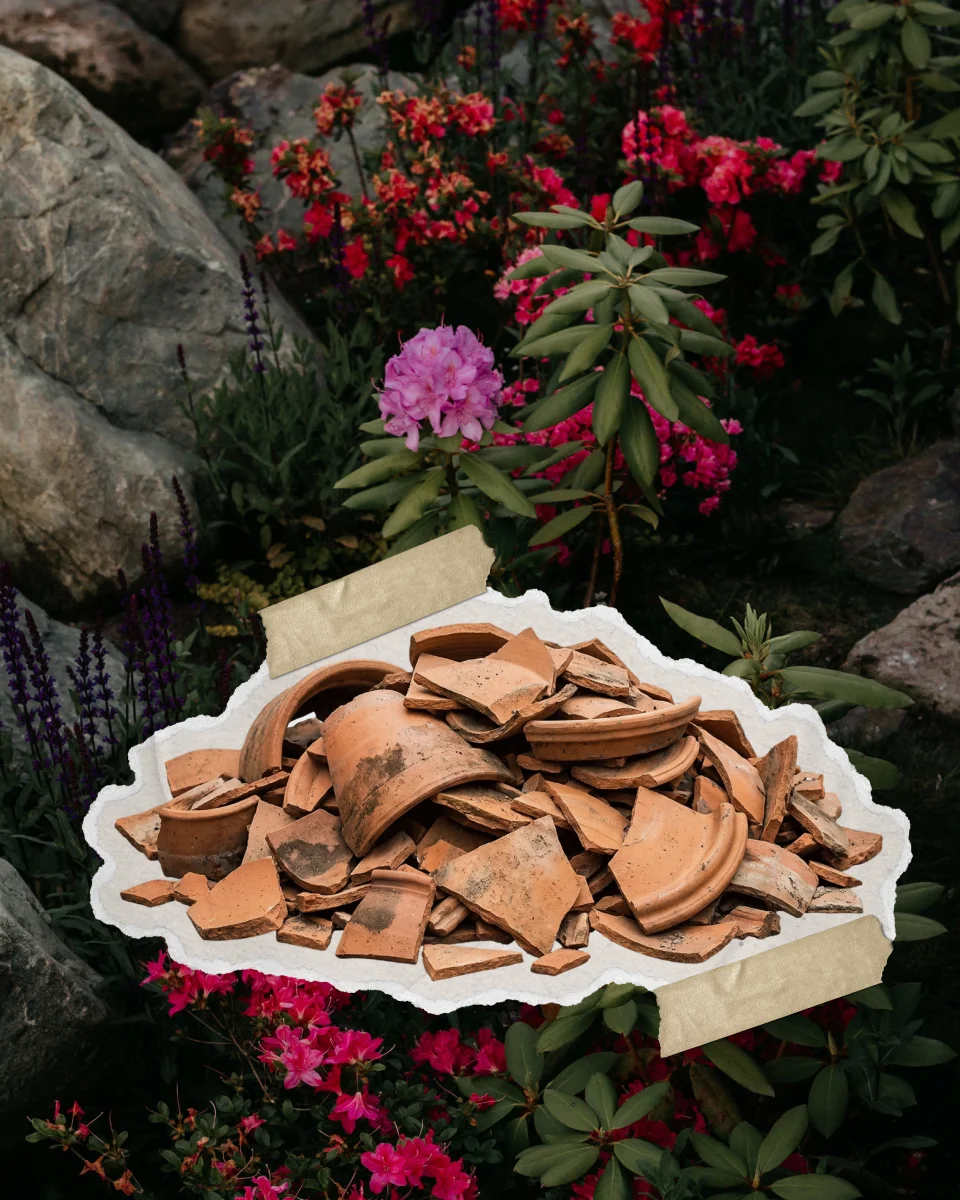
Spring does something to people. Suddenly, everything outside looks… wrong. The pots are cracked, the tiles feel excessive, there's a pile of empty jars in the corner. Usually, we decide to get rid of all this ‘trash’. But perhaps, it's not a pile of junk, but something you could actually use.

This article is about that moment. About what to do with the things you already have, and how they can make a garden not just cheaper, but also better for insects, water, and everything else that tends to get overlooked. Let’s go gardening!

Ata Ebem via Pexels

Why your garden matters more than you think

A garden may feel small and private, but collectively they matter more than people realise. In many European towns and cities, private gardens make up a substantial part of the urban green space. Taken together, they form one of the largest habitats available to wildlife in human-made areas.

And wildlife needs it, because biodiversity is under pressure. Around one in ten bee species in Europe is threatened with extinction, while butterfly populations continue to decline across much of the continent, largely because of habitat loss, pesticide use and the disappearance of flowering plants. And as you know, we need those pollinators. Your garden as a habitat can make a real difference here.

Gardens are not only important for wildlife. They also influence our groundwater levels. Gardens - not the heavily paved ones, but the green ones - allow rainwater to soak into the ground, decreasing runoff during wet periods and leaving soils more saturated in hot periods.

In other words: the way a garden is designed is important: less tiles, more green, more shelter. Fortunately, making space for plants, insects and water is easier than you think. Often, it starts with simply using what is already there differently.

Before you toss it out, think about the littlest creatures in your garden.

Other garden repurpose ideas

The same logic applies to most of the things people tend to get rid of first. Too many tiles, not enough green in your garden? Instead of removing them completely, they can be reused in ways that actually support the garden.

Laid with space in between, tiles allow water to drain while still forming a path. Stacked loosely, they can mark edges or create small level differences. Used in corners, they can retain heat, creating slightly warmer spots for plants and insects.

Or, if you break them up, they can be reused to create a more informal terrace. Something a bit uneven, a bit improvised: close to that cottagecore idea of a garden that looks like it grew into place rather than being designed.

That being said, be easy on the tiles. Prioritize soil and green.

Amal A S via Pexels

Tivasee via Pexels

The things you didn’t think about

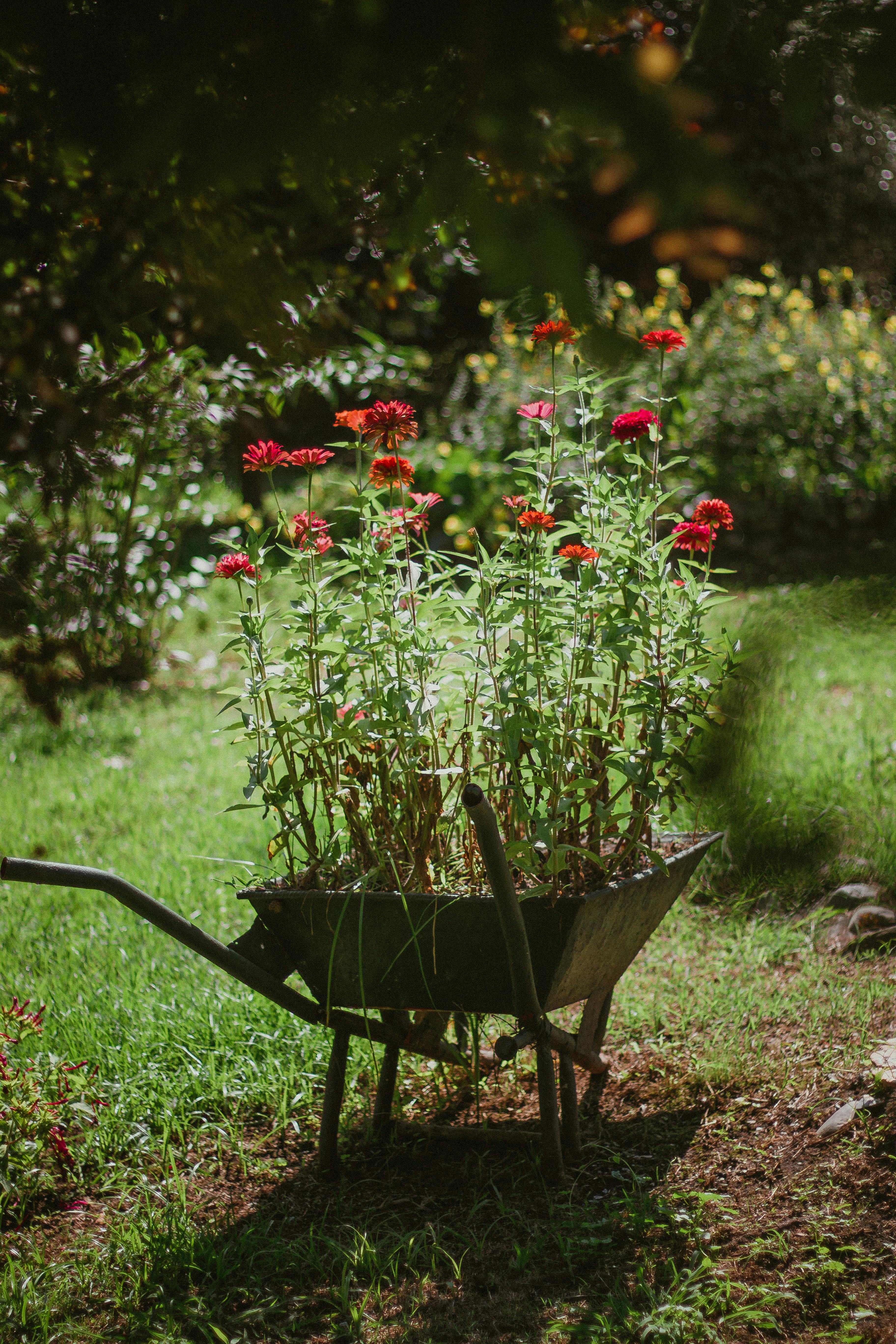
Not everything in that pile looks obviously reusable. Take something like an old sink, a chipped mug, or even a drawer you once meant to fix. The great thing about a garden is that it demands much less of an object than a house does. It does not need things to match, or even to function exactly as intended. It only asks whether something can hold soil, retain water, create shelter, or divide space. Which means a surprising number of things still have value there.

A sink can hold water longer than most planters, making it useful for plants that dry out quickly. A drawer, lined and filled, becomes a small raised bed. Even a chipped mug can turn into a miniature planting spot or a place where insects can find water. None of this is particularly refined. But that’s also the point. Gardens don’t need everything to match. In fact, the more they don’t, the more interesting – and often more functional – they become.

A garden that gives something back

Reuse helps because it saves materials, yes. But in a garden, it does something else as well: it creates variation. And variation is what makes a garden interesting to more than just the person looking at it.

Different heights, textures, shaded corners, damp spots, flowering plants, patches of open soil: these are the things that make space for life. Add plants that produce nectar or berries, especially native species and species that are close to their natural form, and suddenly a garden starts functioning as part of a wider ecosystem.

A sealed, overly tidy garden offers very little beyond appearance. A garden with shelter, water, flowers and variation can support pollinators, provide nesting material for birds, and help rainwater return to the ground rather than the drain.

None of that requires a full redesign. Often, it is simply the result of making slightly different choices, leaving something where you might once have cleared it, planting something useful rather than purely decorative, or seeing potential in an object before calling it waste.

So before you throw that pile away, it may be worth asking one question: Is it waste? Or is it just waiting for a different use?

Know someone who deserves to be celebrated?

We're always looking for the next generation of pioneers. If you know someone doing extraordinary work — in food, fashion, design, or beyond — tell us about them.

Nominate a Pioneer
Stay in the loop

Join the revolution.

Our very best stories, insights and alternatives to overconsumption, every month in your mailbox. Subscribe now and join the reloved revolution!