
When oats became more than breakfast
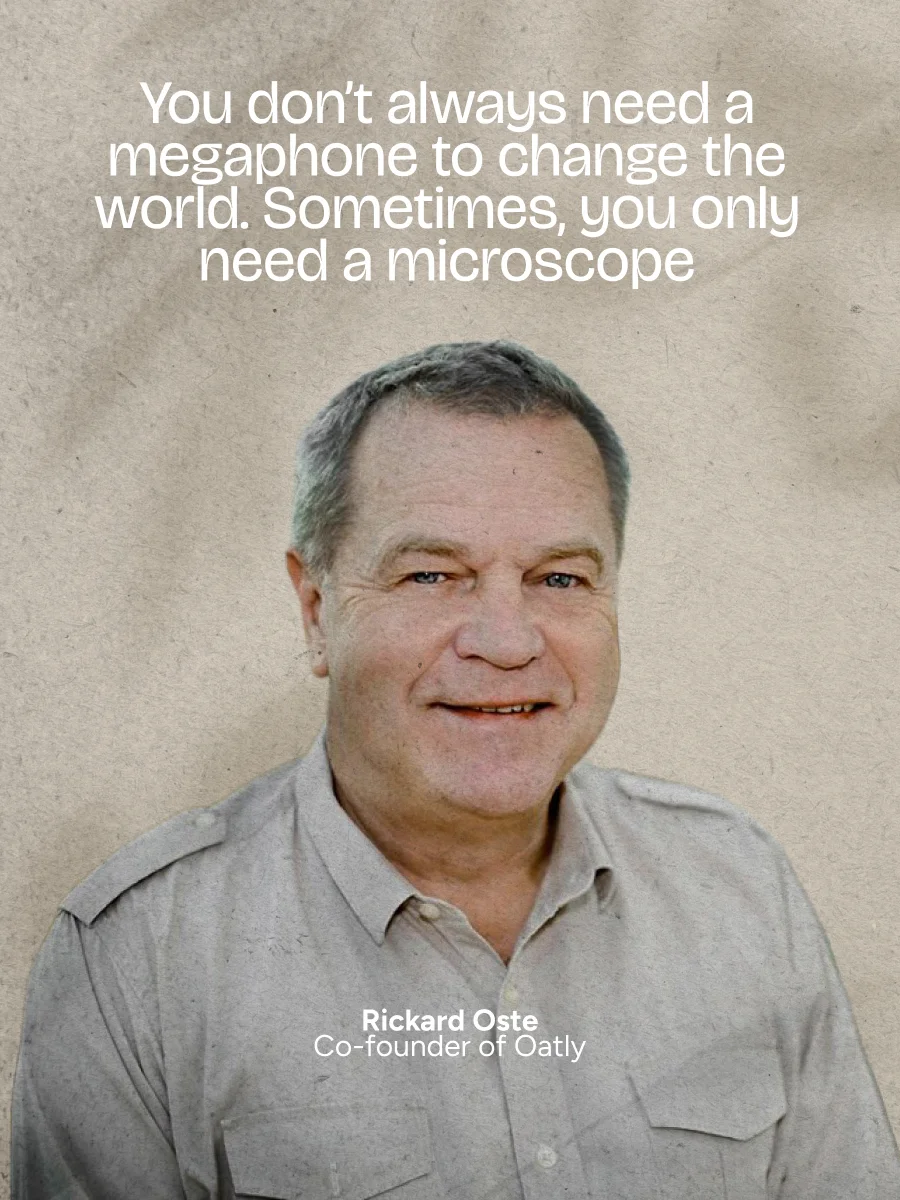
In the late 1980s, tucked inside the labs of Lund University, Rickard Öste wasn’t trying to start a revolution. He was simply studying how people digest food – or, increasingly, didn’t. Lactose intolerance was rising, dairy was the unquestioned default, and the gap between the two was only widening.
Then came a small but catalytic moment. During a meeting with a grain trader, a handful of oats lay casually on the table. That meeting triggered a thought: maybe oats – a grain deeply rooted in Swedish soil and diet – could offer a gentler, more sustainable alternative. Back in Lund, Öste gathered a small team and did what scientists do best: question everything. Oats stopped being breakfast and became raw material. Using enzyme chemistry, they coaxed the grain into something new – breaking down starches, preserving fibres, especially those beta-glucans that give oats their nutritional punch.
It wasn’t quick. After years of tinkering, testing, refining, in 1993 Öste and colleagues finally produced a prototype: an oat-based drink that was smooth, mild, and surprisingly milk-like. Taste and texture worked. Nutrition worked. All that remained was to bring it out of the lab. A patent followed in 1994, laying the foundation for Oatly’s future.