
The tech graveyard in your drawer

Open almost any household drawer and chances are you’ll find an old smartphone, a tablet that hasn’t been used in years, or a charger from a device you barely remember.

It’s what sustainability researchers increasingly refer to as the ‘tech graveyard’: the growing pile of unused electronics quietly accumulating in homes. And it’s a bigger problem than most people realise.

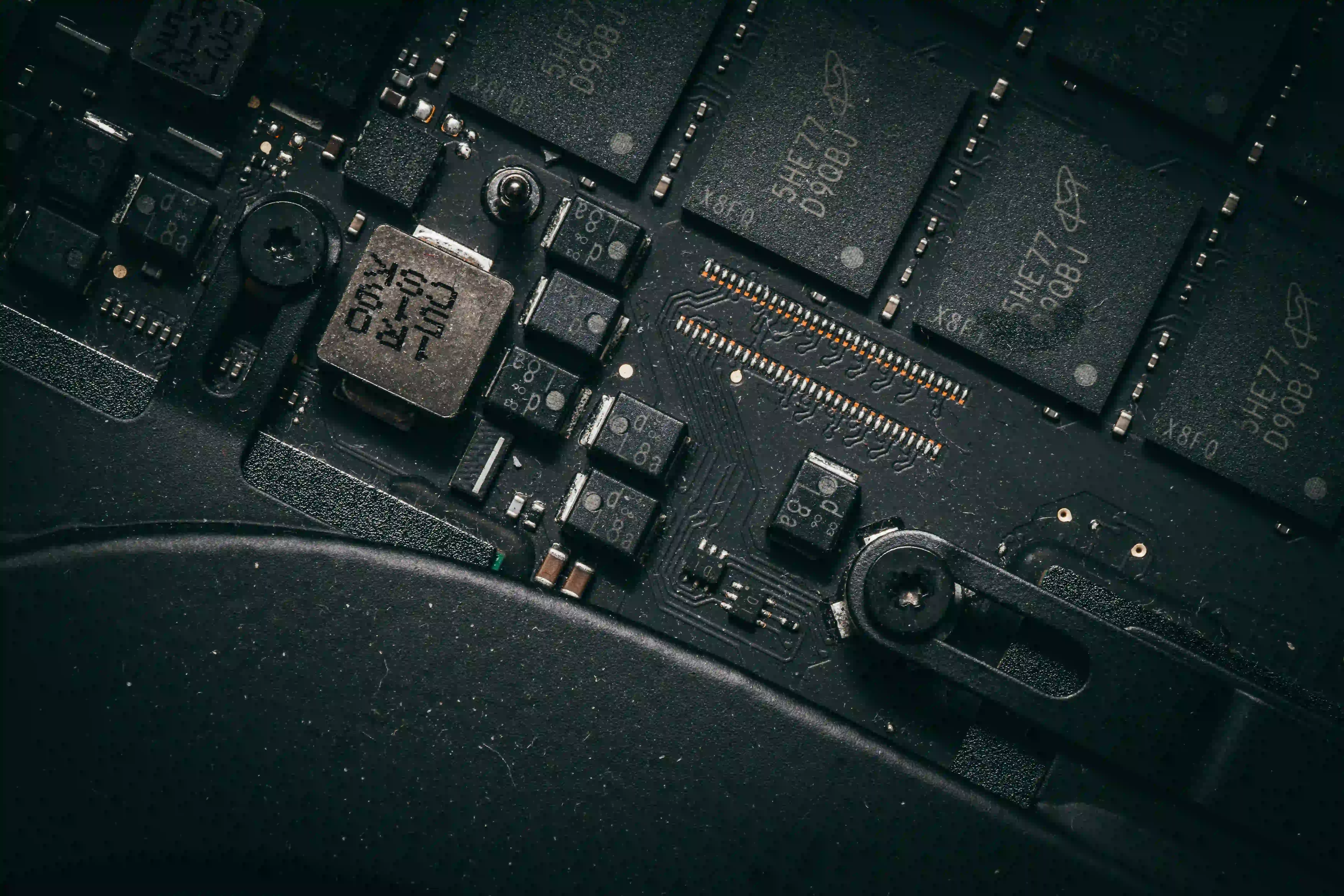
Jacub Pabis via Pexels

The hidden stockpile of electronics

Globally, we generate enormous amounts of electronic waste every year. In 2022 alone, the world produced around 62 billion kilograms of e-waste, making it one of the fastest-growing waste streams on the planet.

Yet surprisingly, a large share of obsolete devices never even reaches recycling systems. Instead, they stay in people’s homes.

According to the GSMA (Global System for Mobile Communications Association), between 5 and 10 billion mobile phones are currently stored away in homes and offices worldwide, rather than being reused or recycled. That’s approximately one phone per person on the planet! Collectively, those dormant devices contain an estimated $20 billion (!) worth of recoverable materials, including gold, copper and palladium.

Across Europe, households own an average of 74 electronic devices, and about nine of those are unused. In other words: our homes have become storage facilities for technology that could otherwise be reused, refurbished, or recycled.
Many consumers worry about losing photos or personal data.

Why we keep our old devices

The reasons people hold on to old gadgets are surprisingly consistent. Surveys show that 46% of people keep electronics because they think they might use them again, while others plan to sell them or keep them for sentimental reasons.

And there are also practical barriers that prevent people from getting rid of old devices. Many consumers worry about losing photos or personal data, don’t know where to recycle their electronics, or simply find the process of organising disposal too much of a hassle.

These concerns are widespread: around 50% of people say they don’t know where the nearest electronics recycling centre is, while data security worries stop roughly one in five people from handing in old phones.

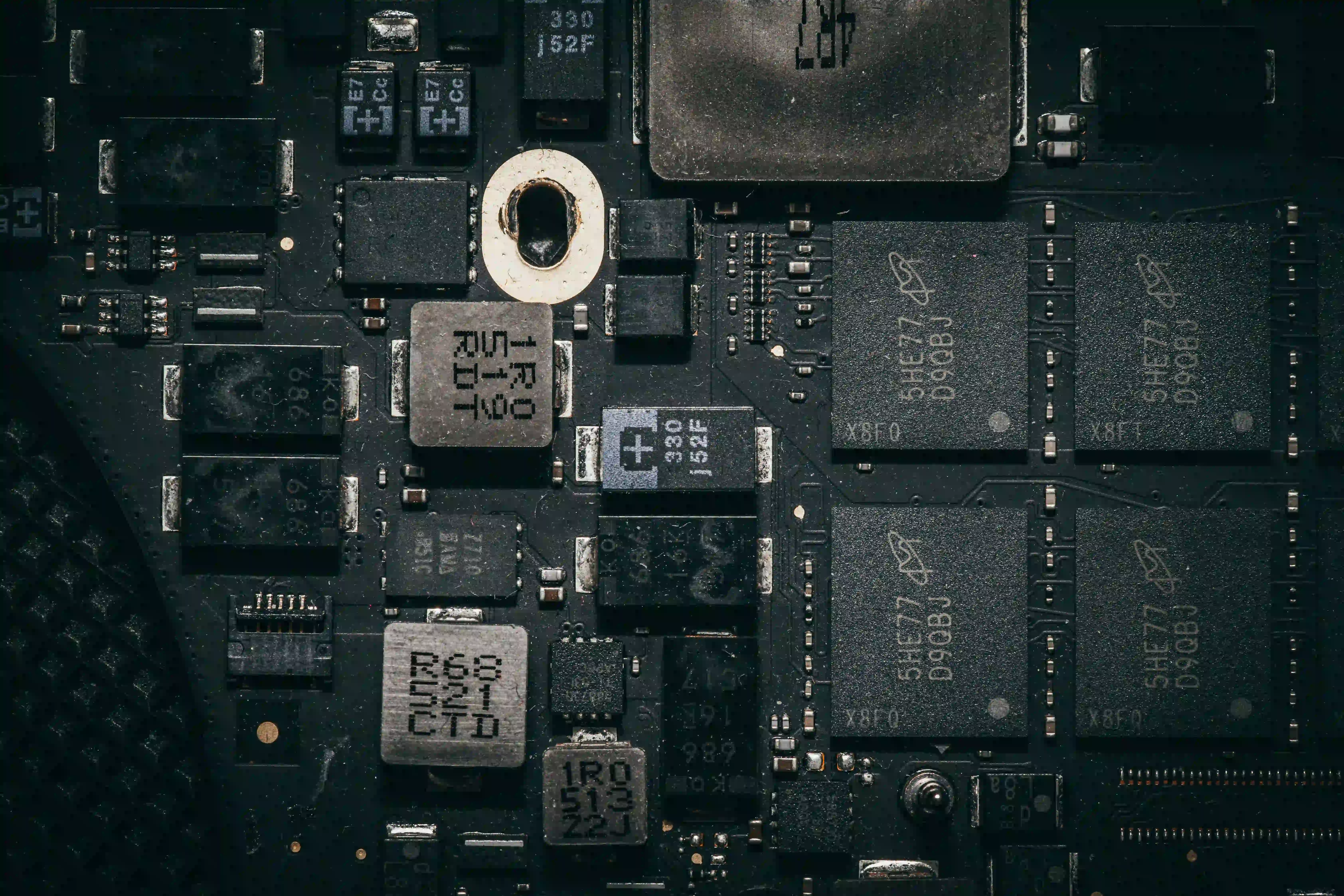
Jacub Pabis via Pexels

Jacub Pabis via Pexels

A drawer full of untapped resources

The irony is that - no matter how old or broken - these forgotten devices are far from worthless. Smartphones contain a range of valuable materials, including gold, copper, silver and rare earth metals, many of which can be recovered and reused through recycling processes.

Studies suggest that the metals stored in unused devices represent enormous economic value. Globally, the recoverable materials in electronic waste are estimated to be worth around $62 billion each year, according to the United Nations’ Global E-waste Monitor.

Yet only a fraction of electronics ever enters formal recycling systems. The UN estimates that just over 22% of global e-waste is properly collected and recycled.

A ‘second life’ economy

One of the most effective ways to reduce electronic waste is simply to extend the lifespan of devices. When smartphones are used for longer, resold, repaired, or refurbished, their environmental footprint drops significantly because fewer new devices need to be produced.

Second-hand marketplaces like OLX are increasingly playing a role in this circular model. Platforms allow older devices to find new owners, whether for continued use, refurbishment, or parts recovery. Some companies are also experimenting with ways to make device collection easier.

Some platforms are also experimenting with ways to make it easier for consumers to return old devices. Marketplace platform OLX, for example, has launched a pilot program in Poland aimed at encouraging people to send back unused smartphones so they can be refurbished or recycled instead of sitting unused at home.

The idea behind initiatives like these is straightforward: make the process of returning old electronics as easy as possible.

The challenge is simply getting devices out of people’s homes and back into the economy.

From tech graveyard to circular tech

Electronic waste isn’t only a recycling problem. It’s also about the millions of devices that never make it back into the system.

Many of the electronics sitting unused at home still work. Others contain materials that could easily be recovered and used again. Instead, they remain out of circulation.

Getting those devices back into the system – through resale, refurbishment or recycling – would extend their lifespan and reduce the need for new raw materials. The technology already exists. The challenge is simply getting devices out of people’s homes and back into the economy.

And that often starts with something simple: you might want to open up that drawer today!

Know someone who deserves to be celebrated?

We're always looking for the next generation of pioneers. If you know someone doing extraordinary work — in food, fashion, design, or beyond — tell us about them.

Nominate a Pioneer
Stay in the loop

Join the revolution.

Our very best stories, insights and alternatives to overconsumption, every month in your mailbox. Subscribe now and join the reloved revolution!