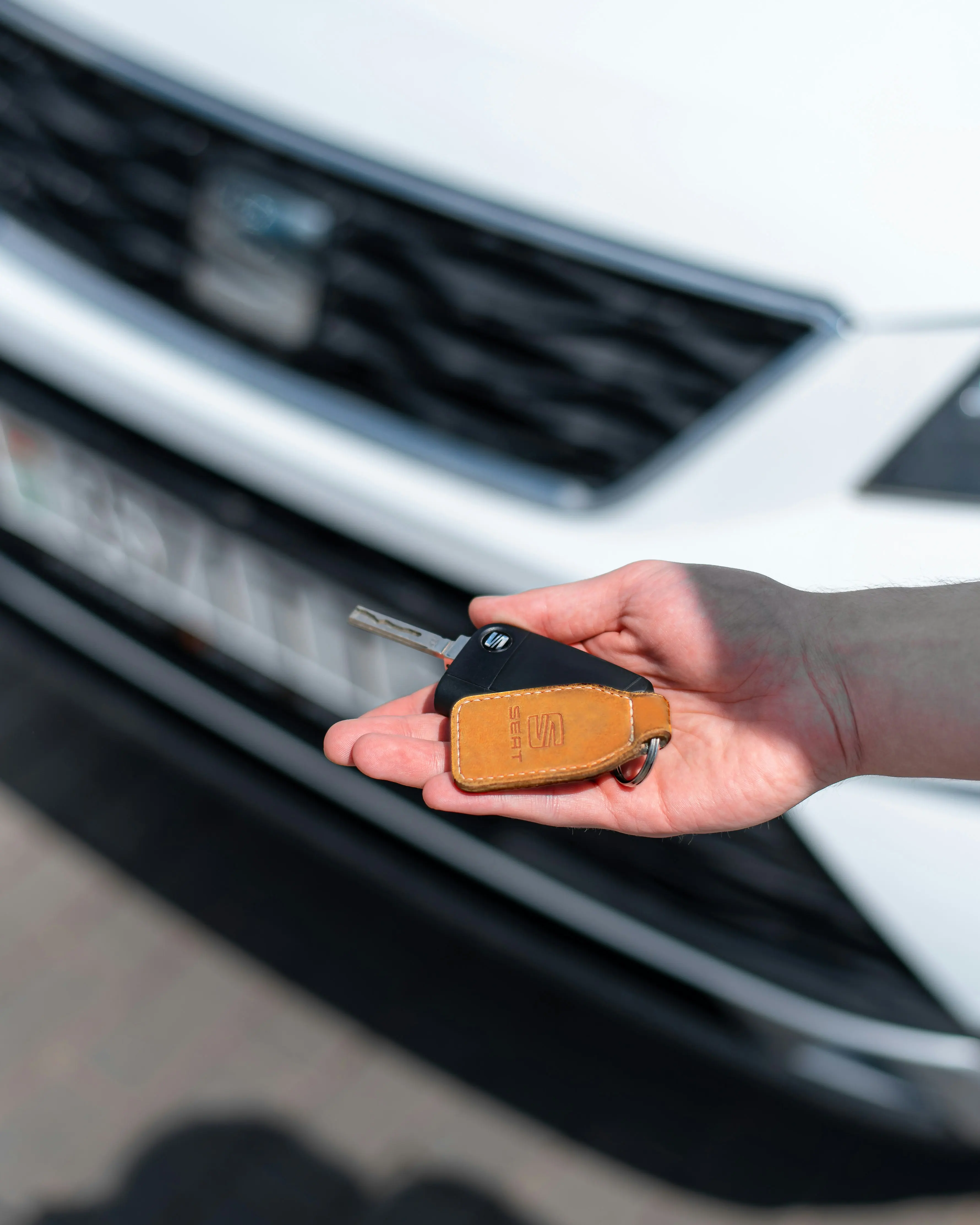
Everything you need to know about buying a second-hand EV

Buying a used car usually involves checking the mileage, looking through the service history and making a thoughtful noise while inspecting the tyres. Buying a used EV is not radically different. The thing still has brakes, suspension and a previous owner who may describe several scratches as ‘normal signs of use’.

There is just one important addition: the battery. It is the most valuable part of the car, yet you cannot judge its condition by walking around it or kicking anything. Luckily, modern EV batteries tend to last longer than many buyers fear.

From State of Health and charging history to warranties, real-world range and total ownership costs, here is what to check before buying a second-hand EV.

The short version

When buying a used EV, ask for a recent State of Health measurement from the manufacturer or an independent battery specialist. This shows how much capacity the battery still has compared with when it was new.

Check how much battery warranty remains, whether it transfers to a new owner and what level of capacity it actually guarantees. Look at the car’s real-world range and charging speed, and test that charging works properly.

A car with 87% battery health may still cover your daily journeys comfortably and could be a good purchase at the right price.

Start with the State of Health

Mileage tells you how far a car has travelled. It does not tell you exactly how much energy its battery can still store. For that, you need the battery’s State of Health, usually shortened to SoH. A battery with an SoH of 90% can still store approximately 90% of the usable energy it held when new. As that capacity falls, so does the distance the car can travel on a full charge.

A car with fewer kilometres on the odometer does not automatically have the healthier battery. Battery chemistry, age, climate and charging behaviour can all affect degradation. Some loss of capacity is normal. Geotab analysed battery data from more than 22.700 electric vehicles across 21 makes and models and found average degradation of around 2.3% per year. The result varies considerably between models and users, but the broader picture is reassuring: modern batteries generally retain most of their capacity for many years.

An SoH below 100% is therefore not automatically a reason to reject a car. The relevant question is whether it is reasonable for the car’s age, model, mileage and price, but more importantly: whether it fits your driving needs. A car with 87% battery health may still cover your daily journeys comfortably and could be a good purchase at the right price.

Do not confuse the dashboard range estimate with an SoH measurement. That number changes with recent driving, weather and temperature. Nor is a screenshot from the car’s app necessarily a battery certificate. Instead, ask for a recent report from the manufacturer or a reputable independent specialist. Services such as AVILOO analyse vehicle data and issue certificates showing the battery’s current condition. A proper report should identify the exact car, mention when the test was performed and explain how the result was measured.

Whatever method is used, ask to see the document behind the percentage. ‘Battery in excellent condition’ is a description, not a diagnosis.


Charging habits leave their mark

Charging habits can affect battery ageing. Frequent high-power fast charging puts more heat and stress into a battery than slower charging at home or work.

In Geotab’s research, vehicles that relied heavily on high-power DC charging degraded faster on average than vehicles mainly charged at lower power. That does not mean the occasional motorway fast charge ruins a battery. Climate, battery chemistry and temperature management matter too. It is therefore reasonable to ask whether the previous owner usually charged at home or depended heavily on fast chargers. But charging history is not always recorded clearly, and a seller’s memory is not a laboratory instrument.

One more time for the people in the back: a recent SoH certificate tells you more about the battery’s condition today.

Read the battery warranty properly

Many EV batteries were originally sold with a separate warranty lasting around eight years or 160.000 kilometres, although the precise terms vary by manufacturer and model. Some warranties cover more than complete battery failure. They may also guarantee that the battery will retain a minimum percentage of its original capacity – often around 70% – during the warranty period.

Before buying, check:

  • How long the warranty remains and whether it transfers to you.
  • Whether it is limited by age, mileage or both.
  • What minimum battery capacity it guarantees.
  • Whether all servicing conditions have been met.

Ask the manufacturer or an authorised dealer to confirm the remaining coverage using the vehicle identification number. Do not rely solely on ‘battery warranty until 2030’ in an advertisement.

Check whether the car has been imported and whether the battery has previously been repaired or replaced, as this may affect the coverage. Also make sure the battery is owned with the car. Some older EVs, particularly certain early Renault Zoe models, were sold with separately leased batteries. A remarkably cheap car becomes less remarkable once it arrives with its own monthly subscription.

The battery deserves special attention, but it should not distract from everything attached to it.

Check how it charges

Battery health tells you how much energy the car can store. It does not tell you how conveniently you can put that energy back in. Therefore it’s wise to check the maximum speed for both everyday AC charging and DC fast charging. Older EVs may charge much slower than newer models, even when their batteries are a similar size. Also check the connector and make sure the necessary charging cables are included.

If possible, test both ordinary and fast charging before buying. Confirm that the charging port opens and locks correctly, the cable connects without errors and charging actually starts at a normal speed.

Check the car-shaped part too

The battery deserves special attention, but it should not distract from everything attached to it. EVs have fewer moving drivetrain parts than combustion-engine cars, but they still need proper inspection. Check the tyres carefully: electric cars are often heavy and deliver power quickly, which can increase tyre wear. Uneven wear may also point to alignment or suspension problems.

Inspect the brakes, even though regenerative braking can reduce their use. Brakes that spend much of their life being unnecessary can still corrode. Check the underside and battery casing for visible damage, particularly if the car has hit road debris or been involved in an accident.

Make sure the heating, air conditioning and battery temperature-management systems work. Ask whether recalls and software updates have been completed, and check the service and accident history, charging cables and both keys. An EV may require fewer oil changes, it has not transcended the need for basic maintenance.

A lower resale value can work in your favour

EVs generally depreciate faster than combustion-engine cars. Rapid technological development, changing incentives and price reductions on new models have all affected second-hand values.

The IEA reports that in the United States, battery-electric vehicle resale values ended 2025 around 25 percentage points below the overall used-car market. The exact picture differs by country and model, but falling values can make relatively young used EVs much more affordable than their original prices suggest. That is bad news if you bought the car new and are now selling it. It can be excellent news if you are buying second-hand.

The purchase price is only one part of the calculation. Consider the total cost of ownership too: electricity, insurance, maintenance, taxes and expected future depreciation. An attractively priced EV that depends entirely on expensive public fast charging may be less economical than it first appears. On the other hand, a well-priced used EV with a healthy battery and access to affordable home charging can offer a very beneficial cost per kilometre.

How OLX is taking the guesswork out of buying a used EV

Traditional car listings were built around mileage, registration year and engine power. Those details still matter, but they do not tell a used-EV buyer how much capacity the battery has left, what range to expect today or how quickly the car can charge.

OLX Group’s automotive platforms are adapting their listings to that new reality. Standvirtual and Autovit can display battery capacity, charging speed and State of Health as structured vehicle details, while OTOMOTO listings increasingly include certified SoH results where available. Instead of burying essential battery information somewhere in the description – between the heated seats and the claim that the car has had ‘one very careful owner’ – these platforms make it easier to find and compare.

Across platforms such as Standvirtual, Autovit and OTOMOTO, battery condition can be displayed alongside specifications such as capacity and charging speed. Some listings also include a State of Health result backed by a certificate. This transparency helps turn buying a used EV from an educated guess into a proper comparison. A visible percentage is only the beginning – buyers should still ask to see the certificate behind it – but it gives battery health the prominence it deserves.

Mileage still matters, it just no longer tells the whole story. The most useful used-EV listing is therefore not necessarily the one with the lowest number on the odometer, but the one that gives you the clearest picture of what you are buying. Check the battery, read the warranty and test the charging. A used EV may already have travelled a long way, and that’s okay. What matters most is how well equipped it is for the journeys still to come.

Know someone who deserves to be celebrated?

We're always looking for the next generation of pioneers. If you know someone doing extraordinary work, in food, fashion, design, or beyond, tell us about them.

Nominate a Pioneer
Stay in the loop

Join the revolution.

Our very best stories, insights and alternatives to overconsumption, every month in your mailbox. Subscribe now and join the reloved revolution!