Second-hand: are we truly saving the planet?

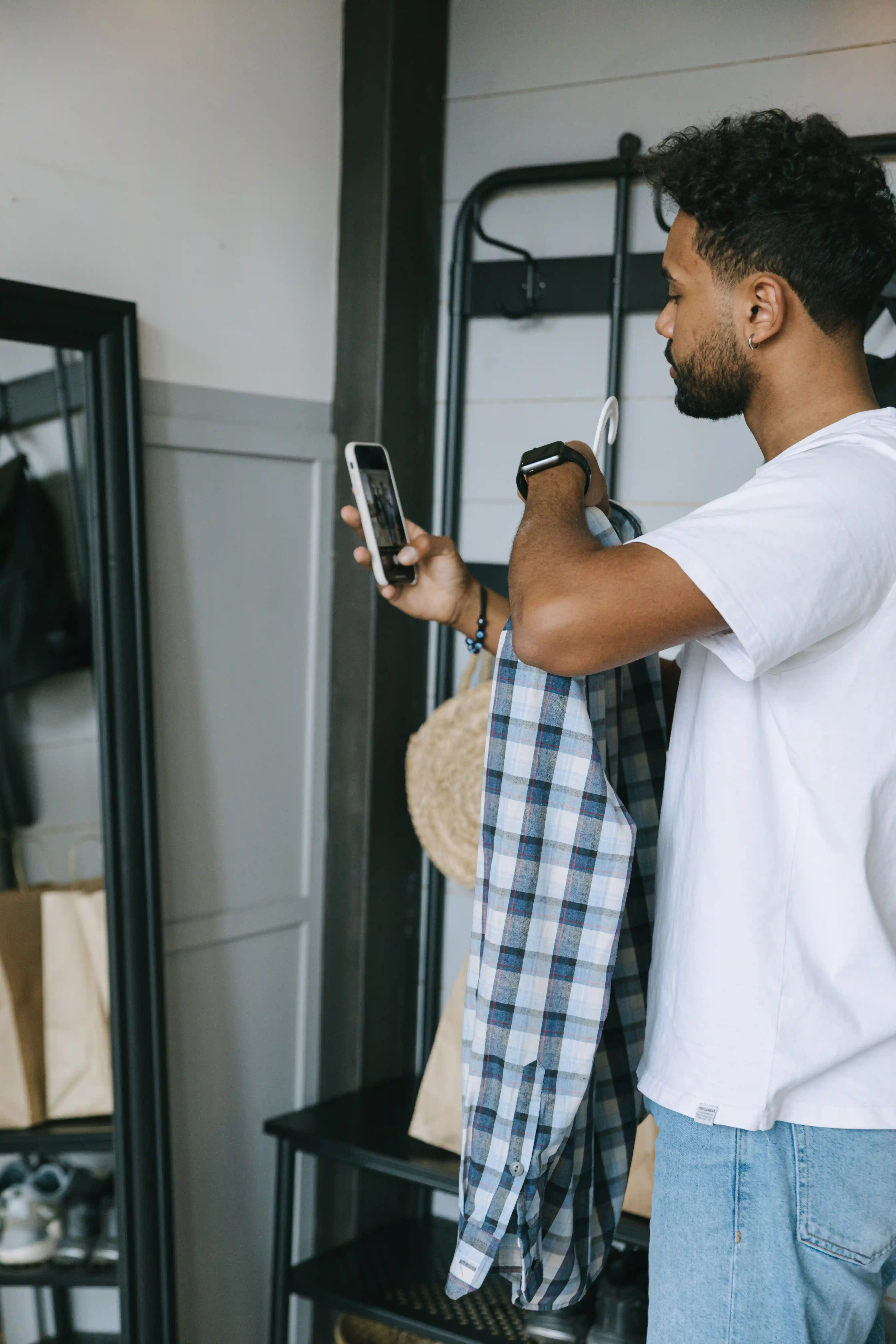
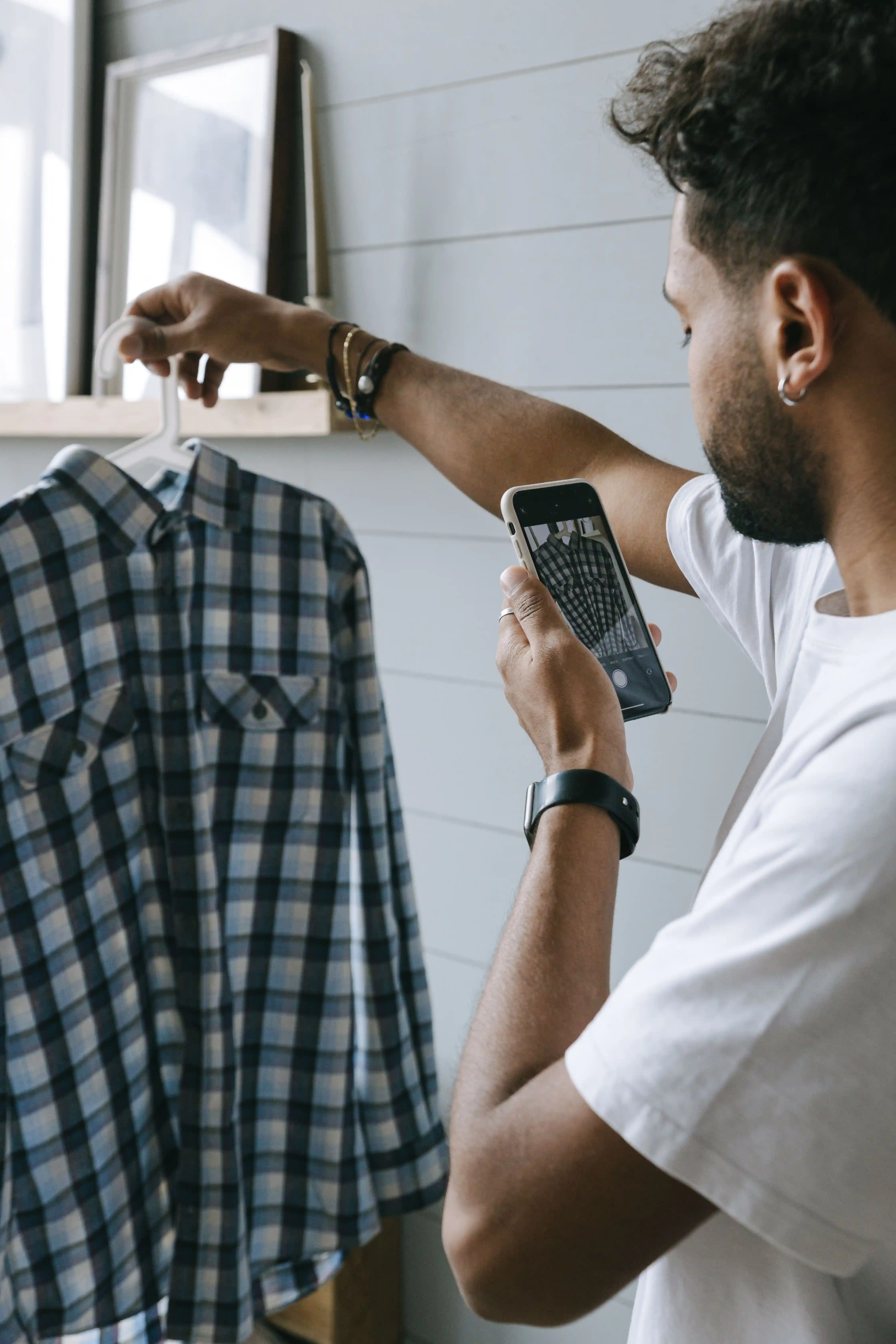
You spent an afternoon cleaning out your wardrobe, taking photographs, and posting your slightly worn clothes on online marketplaces. And then: yay, someone bought that oversized Pink Floyd T-shirt from your alt-era. You're earning money while saving the planet. But then you see you have to ship it to France. There goes the environmental saving. Or not?

Let's dive into the environmental costs and savings of selling your stuff online.

Resell the unused, repair the rest

From a seller’s perspective, the most important question is: am I reselling because the product is no longer in use or is it simply because I feel like replacing it with something new? For products no longer in use, the environmental business case is fair: the item has already been made, so its footprint of raw materials, water, chemicals and energy is already spent.

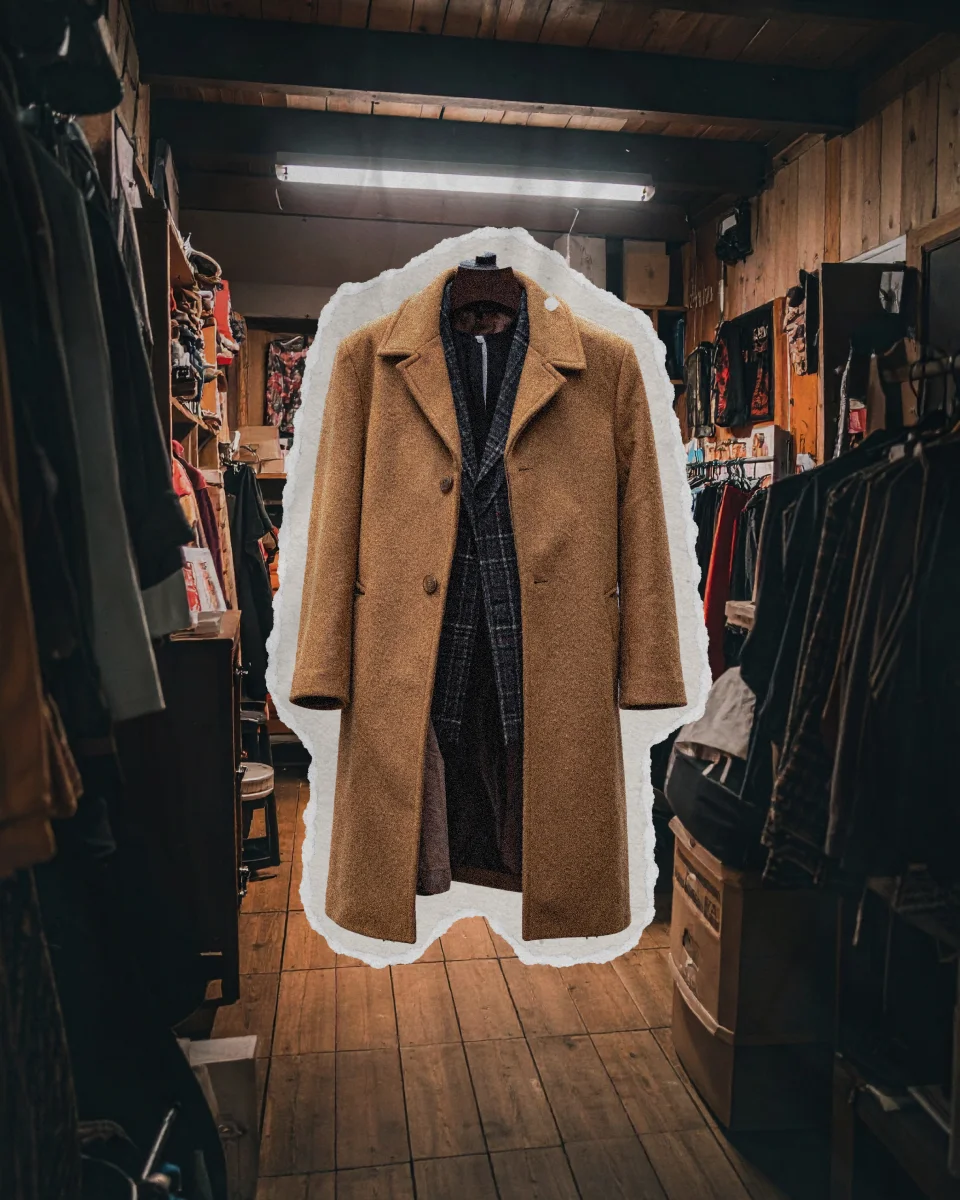
Passing it on gives that footprint a second life and, if the buyer would otherwise have bought new, avoids the production of a new item. Left unused in a cupboard or thrown away, that value is lost. This is especially the case for products with high environmental footprints: strollers, baby gear, musical instruments, sports articles, furniture, electronics and clothing items as jeans, coats and shoes.

However, when the aim is replacing your item, selling it to finance a new purchase, the benefit is likely cancelled out. Continued use, and potential repair, is more environmentally friendly. For electronics, a study by the European Environmental Bureau estimates that extending the lifespan of smartphones, laptops, washing machines and vacuum cleaners in the EU by just one year would save around 4 million tonnes of CO₂e per year by 2030, equal to taking 2 million cars off the road. For smartphones and laptops, most emissions occur during production, which makes repairing and keeping your device the most effective choice for the environment.

Therefore, before you list all your belongings and order your replacement, do wonder: do I really need a new item?
10 years old Lego is still equally as good as new Lego

Second-hand isn’t automatically sustainable

From a buyer’s perspective, things get a little bit more interesting. In our age of consumerism the two most important questions are: why am I looking for a second-hand product and what quality am I buying?

An environmental study by a Dutch auction house shows that emission savings due to reuse of almost all products in the analysis are offset because many buyers purchase goods that they would not have bought new. The trade of vehicles included in this study even adds emissions. In a survey sent out to buyers, only 28% would otherwise have purchased a new good, implying that for 72%, used products are used as complements rather than substitutes.

This finding is confirmed by second-hand market place Vinted. Vinted’s Climate Impact Report shows that for every 2.56 pieces of clothing bought on Vinted, the purchase of one new piece of clothing was avoided. We still buy more than we need.

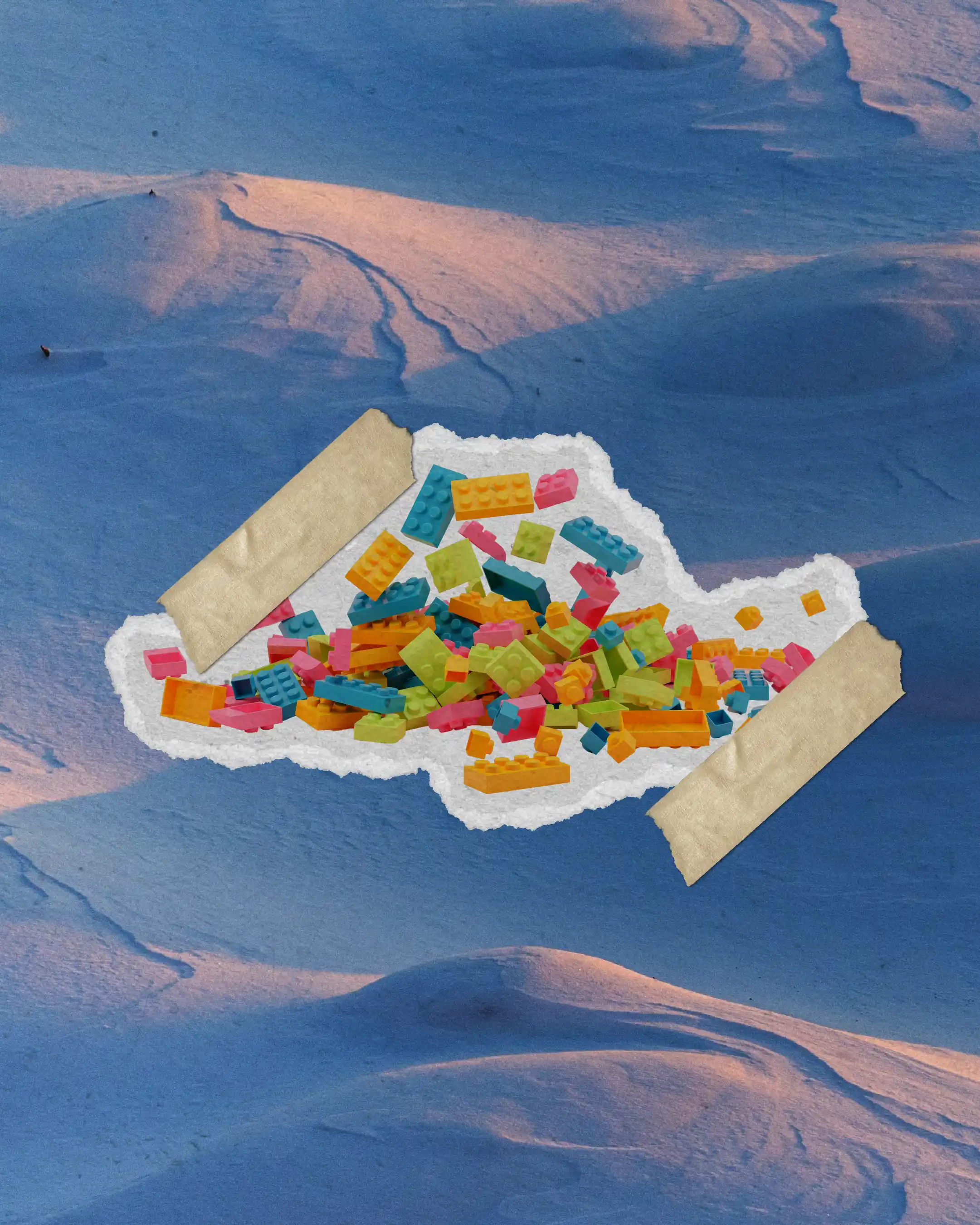
Of course, your intent is not the only thing that matters. The quality and durability of what you buy do too. Research on children’s toys suggests that higher-value branded items are more likely to find a second or third owner, because they hold their value and are easy to resell. Think of Lego. It’s indestructible. 10 years old Lego is still equally as good as new Lego. So if you do buy, whether new or second-hand, buy something built to last.

Ivan S

Ivan S

What else?

As for your online trading activities, both the seller and buyer can contribute to ensuring maximum environmental savings. Delivering to a pick-up and drop-off location instead of to a buyer’s home reduces emissions by 62%, and sellers who reuse packaging reduce its emissions by 70%. Still, resale only helps when it prevents a new purchase, and depending on the study, that happens in anywhere from about 15% to 65% of cases. Maybe we should take some more inspiration from fashion designer Tom Ford, once saying:  

"I’d like these to be clothes you can wear for a long time - 10, 20 years; pass on to your daughter. Why buy vintage when you can open your own closet!"

Know someone who deserves to be celebrated?

We're always looking for the next generation of pioneers. If you know someone doing extraordinary work, in food, fashion, design, or beyond, tell us about them.

Nominate a Pioneer
Stay in the loop

Our very best stories, insights and alternatives to overconsumption, every month in your mailbox. Subscribe now and join the reloved revolution!

Thank you! Your submission has been received!
Oops! Something went wrong while submitting the form.